At exactly 12:00 PM, the exodus began. Across America's office buildings, workers would push back their chairs, grab their coats, and disappear into the world beyond their cubicles. They'd meet friends at diners, browse department stores, or simply walk around the block breathing air that wasn't recycled through office ventilation systems. For one full hour, they belonged to themselves.
That was then. Now, if you're reading this while scarfing down a sad desk salad between emails, you're living proof of how completely we've abandoned one of the American workday's last protected rituals.
When Lunch Was Actually a Break
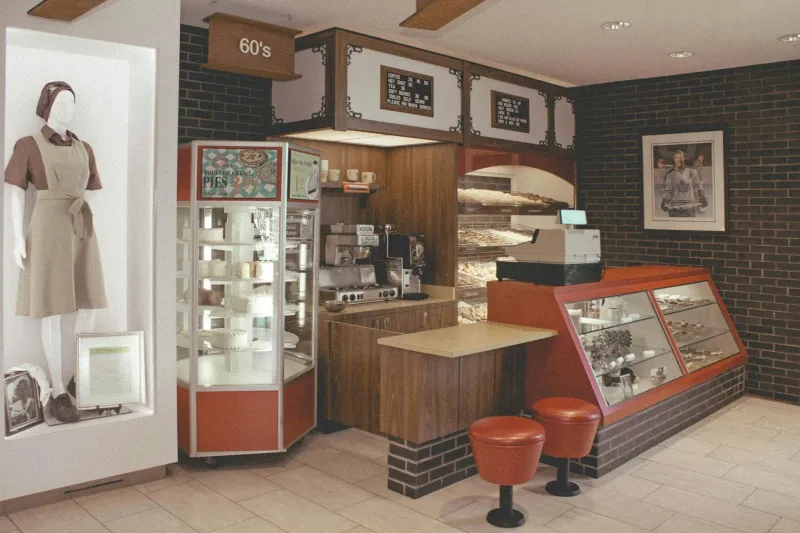
In the 1950s and 60s, the lunch hour wasn't a suggestion — it was a commandment. Office buildings emptied at noon like schools during a fire drill. Restaurants near business districts built their entire business models around the predictable flood of customers who arrived promptly at 12:15 and needed to be fed and back to their desks by 1:00.
The ritual had structure. Men loosened their ties and walked to the corner diner where they knew the waitress's name and she knew their usual order. Women changed from their office flats into walking shoes and strolled to department stores, not necessarily to buy anything, but to see something other than filing cabinets and typewriters.
Lunch counters were social hubs where strangers struck up conversations over coffee and pie. Cafeterias in office buildings weren't just food courts — they were community centers where different departments mingled and office romances bloomed over meatloaf and mashed potatoes.
The Architecture of Eating
The physical design of mid-century America supported the lunch hour. Office buildings had proper cafeterias with real kitchens and dining rooms. Downtown areas were dense with lunch counters, automats, and quick-service restaurants within walking distance of major employers.
Even the timing of the workday reinforced lunch's importance. The standard 9-to-5 schedule included that sacred hour from 12 to 1, protected by both custom and often union contracts. Calling a meeting during lunch hour was considered rude. Expecting someone to work through lunch was grounds for complaint.
Restaurants designed their entire operations around the lunch rush. They hired extra staff, created special lunch menus with faster service, and structured their day around feeding the office crowd quickly and efficiently. The "blue plate special" wasn't just a meal — it was a cultural institution.
The Slow Strangulation
The death of the lunch hour didn't happen overnight. It was a gradual strangulation that began in the 1980s and accelerated through the following decades. Several forces conspired to kill it:
The Rise of Hustle Culture: Somewhere along the way, taking a full lunch hour became seen as lazy or uncommitted. Working through lunch became a badge of honor, a sign that you were more dedicated than your colleagues who actually left the building.
Open Office Design: When offices ditched private offices and cubicles for open-plan layouts, eating at your desk became unavoidable. Why leave when everyone could see you were "available" and "collaborative"?
Technology Tethers: Smartphones and laptops meant you were never really off duty. Even if you left the office, you were still expected to respond to emails and take calls.
Suburban Sprawl: As businesses moved to office parks and suburban campuses, there were fewer places to walk to for lunch. The corner diner was replaced by a food court in a strip mall two miles away.
The Desk Lunch Dystopia
Today's lunch "break" would be unrecognizable to workers from previous generations. We eat sad salads from plastic containers while answering emails. We attend "lunch meetings" where the food is secondary to the agenda. We grab energy bars from vending machines and call it a meal.
The average American worker now takes just 30 minutes for lunch, and many don't take a formal break at all. We've normalized eating at our desks while working, treating food as fuel rather than a reason to pause and reset.
Even when we do leave the office, we're often still tethered to work. We take calls while walking to the sandwich shop, check emails while waiting in line, and return to our desks early "just to catch up on a few things."
What We Lost Beyond the Minutes
The disappearance of the lunch hour represents more than just 30 minutes of lost time. We lost:
Mental Reset: That hour away from work provided crucial psychological distance. It was a chance to decompress, think about something else, and return refreshed.
Social Connection: Lunch was often the only time office workers interacted with people outside their immediate team. Those casual conversations built relationships and shared knowledge across departments.
Physical Movement: Getting up and walking to lunch provided exercise in an increasingly sedentary work culture. Now many workers spend entire days without leaving their desk chairs.
Community: Downtown lunch spots were gathering places where different social and economic classes mixed. The executive and the secretary might find themselves at the same lunch counter, creating connections that don't exist in today's segregated work environments.
The Resistance Movement
Some companies are trying to bring back the real lunch break. Google's elaborate cafeterias and Facebook's food courts are attempts to recreate the communal dining experience, even if you never leave the campus. Some European companies have banned lunch meetings and discouraged desk eating.
But these efforts feel like museum exhibits — carefully curated attempts to recreate something that once happened naturally. The spontaneous energy of the old lunch hour, when thousands of workers simultaneously decided they deserved an hour to themselves, can't be manufactured by corporate wellness programs.
The Hour We Can't Get Back
The death of the lunch hour is a perfect metaphor for how work has gradually consumed more and more of our lives. We gave it up willingly, one bite at a time, convincing ourselves that we were being more productive and dedicated.
But productivity experts now recognize what our grandparents knew intuitively: breaks make you better at your job, not worse. The workers who took full lunch hours in 1965 weren't lazy — they were practicing sustainable work habits that we've somehow forgotten.
Every time you eat a sandwich at your desk while scrolling through emails, remember: there was once a time when American workers collectively agreed that the middle of the day belonged to them, not their employers. We had that hour, and we gave it away. The question isn't whether we can get it back — it's whether we remember why we wanted it in the first place.