
When Doctors Were Gods and Questions Were Blasphemy
Picture this: You're sitting in a sterile examination room in 1965. Your doctor, wearing a pristine white coat that might as well be religious robes, delivers your diagnosis with the authority of Moses descending from Mount Sinai. You nod politely, thank him for his time, and leave — without asking a single question about what any of it means.
This wasn't unusual behavior. It was expected.
For most of the 20th century, the doctor-patient relationship operated on a simple principle: doctors knew everything, patients knew nothing, and questioning that arrangement was considered not just inappropriate, but genuinely offensive. Medical paternalism wasn't a bug in the system — it was the entire operating manual.
The Era of Medical Silence
Doctors in the 1950s and 1960s routinely withheld diagnoses from patients, especially serious ones. Cancer? Heart disease? Mental illness? These conversations happened between physicians and family members, preferably the male head of household, while the actual patient remained blissfully — or not so blissfully — unaware.
The reasoning seemed sound at the time: patients couldn't handle the truth, medical information would only cause unnecessary anxiety, and besides, what could a layperson possibly contribute to a medical discussion? Doctors spent years in medical school. Patients spent years doing everything else.
If you did muster the courage to ask questions, you'd likely encounter what medical historians now call "benevolent deception." Your doctor might pat your shoulder condescendingly and say something like, "Don't worry your pretty little head about the technical details. Just take these pills and trust me."
And most people did trust. They had to. There was no WebMD to consult at 2 AM, no patient advocacy groups, no second opinion networks. Your doctor's word was final, mysterious, and unquestionable.
The Cracks in the White Coat Armor
The transformation didn't happen overnight. It started with a few uncomfortable questions in the 1970s. Why were women's health concerns dismissed as "hysteria"? Why were minorities receiving substandard care? Why did patients have no legal right to see their own medical records?
The feminist health movement played a crucial role, with groups like the Boston Women's Health Collective publishing "Our Bodies, Ourselves" in 1973 — a radical idea that women should understand their own anatomy and medical options. Suddenly, asking questions wasn't just acceptable; it was empowering.
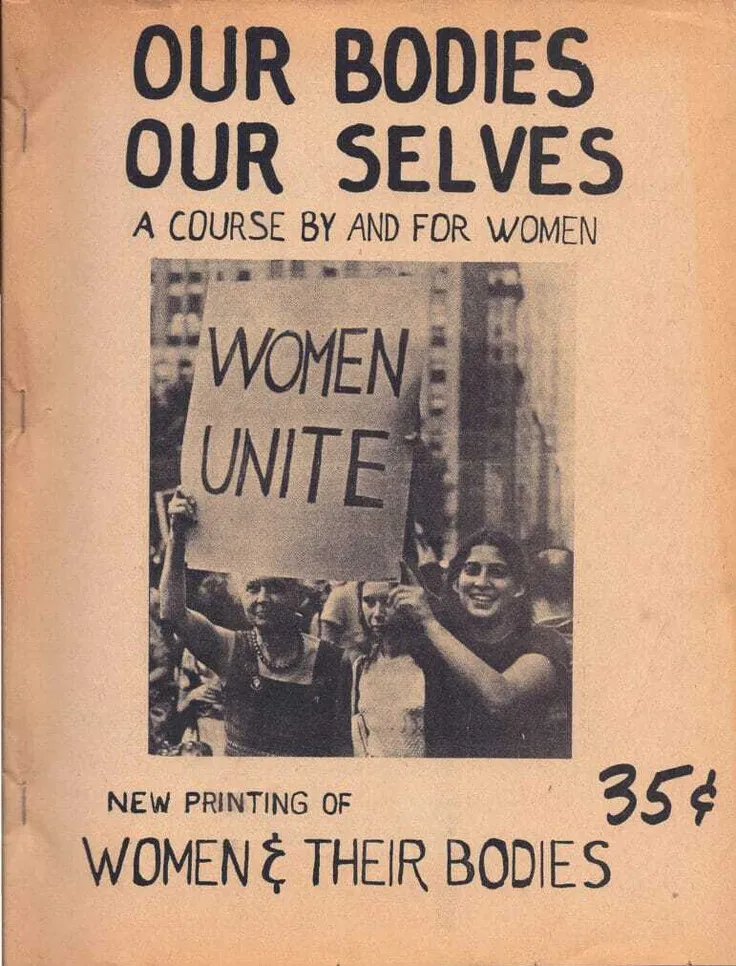 Photo: Our Bodies, Ourselves, via assets.ourbodiesourselves.org
 Photo: Boston Women's Health Collective, via images.squarespace-cdn.com
Malpractice lawsuits began exposing the dangers of paternalistic medicine. Informed consent became not just ethical best practice but legal necessity. Patients started demanding to know what procedures they were undergoing and why.
The Information Revolution Breaks Everything Open
Then came the internet, and with it, the complete demolition of medicine's information monopoly.
Suddenly, patients could research their symptoms before appointments. They could read medical journals, connect with others who had similar conditions, and — horror of horrors — fact-check their doctors' recommendations in real time.
Doctors initially resisted this shift with the enthusiasm of newspaper editors watching Craigslist destroy classified ads. "A little knowledge is dangerous," they warned. "Patients are self-diagnosing incorrectly." "The internet is full of medical misinformation."
All true, perhaps. But also irrelevant. The genie was out of the bottle, and patients liked having access to information about their own bodies.
Today's Medical Democracy
Walk into a doctor's office today, and you might encounter the opposite extreme. Patients arrive with printouts, research studies, and detailed questions about treatment alternatives. They request specific tests, challenge diagnoses, and shop around for second opinions like they're buying a car.
Some doctors love this new dynamic. Engaged patients are more likely to follow treatment plans, catch medication errors, and advocate for their own health. Others miss the simpler days when their authority went unquestioned.
Patient portals now give you instant access to test results, sometimes before your doctor has even reviewed them. Telemedicine apps let you consult with physicians from your couch. Wearable devices track your vital signs continuously and alert you to potential problems.
The Pendulum's Sweet Spot
The shift from paternalistic medicine to patient empowerment represents genuine progress. Patients who understand their conditions make better health decisions. Diverse voices in medical research have improved outcomes for everyone. Transparency has reduced medical errors and increased accountability.
But like most revolutions, this one created new problems while solving old ones. Some patients now arrive at appointments convinced they have rare diseases based on internet research. Others refuse proven treatments in favor of unproven alternatives they found online. The democratization of medical information has been accompanied by the democratization of medical misinformation.
The best doctor-patient relationships today balance expertise with empowerment. Physicians bring years of training and clinical experience. Patients bring intimate knowledge of their own bodies and lives. Together, they make decisions that neither could make alone.
The Questions That Changed Everything
What seems remarkable now is how recently this transformation occurred. Your grandparents likely never questioned a doctor's judgment. Your parents might have started asking a few tentative questions. You probably arrive at appointments with a list.
The white coat still commands respect, but it no longer commands silence. And for all the complications that patient empowerment has created, most of us wouldn't want to go back to an era when our most important health decisions were made without us.
After all, it's your body. Shouldn't you get to ask questions about it?