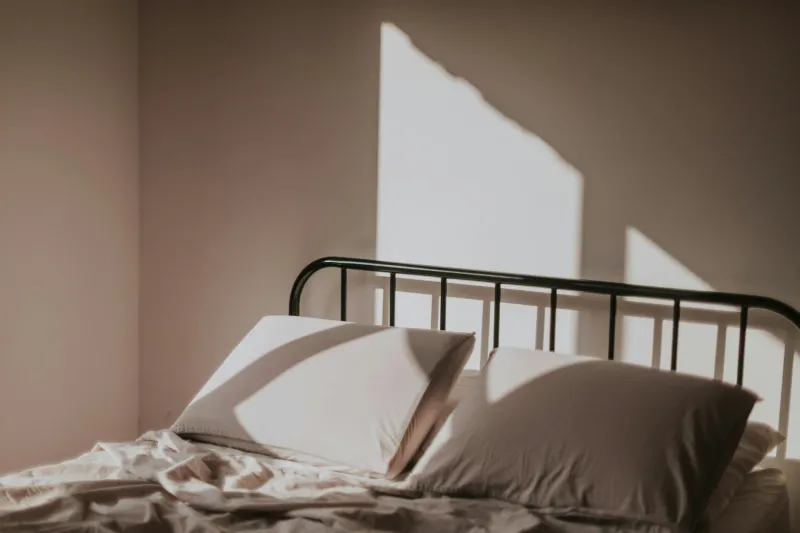
When Sleep Was Just Sleep
Your great-great-grandmother never worried about her sleep hygiene. She didn't track her REM cycles, optimize her bedroom temperature to exactly 67 degrees, or take melatonin supplements. She certainly never spent $3,000 on a mattress that promised to revolutionize her sleep quality.
She just went to bed when it got dark and woke up when it got light. And somehow, she was fine.
Today, sleep has become a science, an industry, and for many Americans, a source of constant anxiety. We've transformed one of humanity's most basic biological functions into a performance metric that can be measured, analyzed, and — inevitably — found lacking.
The Era of Unconscious Sleep
For most of human history, sleep wasn't something people thought about consciously. You worked during daylight, ate dinner, and went to bed when the sun disappeared. No alarm clocks, no sleep schedules, no optimization strategies.
People slept in patterns that seem bizarre by modern standards. Historical records suggest many cultures practiced "segmented sleep" — going to bed shortly after sunset, waking for a few hours in the middle of the night for conversation, prayer, or intimate activities, then returning to sleep until dawn.
This wasn't insomnia; it was normal. The period between "first sleep" and "second sleep" was considered productive time, often used for reflection, storytelling, or household tasks that required quiet concentration.
Sleep quality wasn't measured in apps or tracked with wearable devices. People knew they'd slept well if they felt rested. They knew they'd slept poorly if they felt tired. The end.
The Industrial Revolution Ruins Everything
The transformation of sleep from natural rhythm to scheduled activity began with industrialization. Factory work required consistent schedules that ignored natural light cycles. Night shifts became common. Urban environments filled with artificial light that confused our ancient biological clocks.
By the early 20th century, Americans were already complaining about sleep problems that previous generations rarely experienced. Electric lighting allowed people to stay awake long past sunset, disrupting circadian rhythms that had remained stable for thousands of years.
But even then, sleep remained relatively simple. You went to bed, you slept, you woke up. If you had trouble sleeping, you might take a warm bath or drink some chamomile tea. Nobody was measuring sleep stages or calculating sleep debt.
The Birth of Sleep Science
Real sleep research didn't begin until the 1950s, when scientists discovered REM sleep and began mapping the architecture of a typical night's rest. Suddenly, sleep had stages, cycles, and measurable components.
The first sleep disorders clinic opened in 1970. Sleep apnea was identified as a medical condition. Insomnia became a diagnosis rather than just an occasional inconvenience. Sleep medicine emerged as a legitimate medical specialty.
This scientific understanding brought genuine benefits. People with serious sleep disorders like narcolepsy or severe sleep apnea finally had explanations and treatments for conditions that had previously been dismissed or misunderstood.
But it also planted the seeds of our modern sleep obsession. Once we could measure sleep, we began judging it. Once we understood optimal sleep patterns, anything less than optimal became a problem to solve.
The Quantified Sleep Movement
The real transformation came with consumer technology. Fitness trackers promised to monitor your sleep quality. Smartphone apps claimed to wake you during lighter sleep phases. Smart mattresses began collecting data on your tossing and turning.
Suddenly, millions of Americans were receiving nightly report cards on their sleep performance. "You got 6 hours and 23 minutes of sleep last night, with only 47 minutes of deep sleep. Your sleep score is 68 out of 100."
This data was supposed to be empowering, but for many people, it became another source of stress. Instead of simply noticing whether they felt rested, people began obsessing over their sleep metrics. Forums filled with discussions about optimizing sleep efficiency and achieving perfect sleep scores.
The Sleep Industrial Complex
What started as scientific curiosity has evolved into a multi-billion-dollar industry dedicated to fixing our supposedly broken sleep. Americans now spend over $15 billion annually on sleep aids, special mattresses, weighted blankets, white noise machines, and sleep-tracking devices.
Sleep consultants offer personalized optimization strategies. Sleep retreats promise to reset your circadian rhythms. Luxury hotels advertise "sleep concierge" services and scientifically designed sleep environments.
The supplement industry has embraced sleep with particular enthusiasm. Melatonin sales have exploded, despite limited evidence that most people need supplemental melatonin. CBD products promise better sleep. Magnesium, valerian root, and dozens of other compounds are marketed as natural sleep solutions.
The Paradox of Sleep Optimization
Here's the strange thing: all this attention to sleep hasn't necessarily made us sleep better. American sleep quality has declined even as our understanding of sleep science has advanced. We're more anxious about sleep than ever before, and anxiety is one of the biggest enemies of good sleep.
Many sleep experts now recognize that the obsession with perfect sleep can be counterproductive. "Sleep performance anxiety" is a real phenomenon where worrying about sleep quality actually prevents good sleep. People lie awake calculating how much sleep they'll get if they fall asleep right now, or checking their fitness trackers to see if they're meeting their sleep goals.
The very act of measuring sleep can change it. Wearing a device that tracks your movement and heart rate can make you more aware of your body's sensations, potentially keeping you awake. Checking sleep data first thing in the morning can set a negative tone for the entire day if the numbers are disappointing.
What Actually Changed (And What Didn't)
To be fair, modern life has created genuine sleep challenges that our ancestors didn't face. Artificial light exposure, especially blue light from screens, can disrupt melatonin production. Caffeine consumption is higher than ever. Stress levels and anxiety disorders have increased. Urban noise pollution interferes with natural sleep cycles.
Our understanding of sleep disorders has also revealed that some people genuinely need medical intervention. Sleep apnea affects millions of Americans and can be life-threatening if untreated. Shift workers face unique challenges that require specialized strategies.
But for most people, the basic requirements for good sleep haven't changed much over the centuries: a comfortable, dark, quiet environment; a regular schedule; avoiding stimulants before bedtime; and managing stress levels.
The Simple Truth About Sleep
Perhaps the most important thing we've learned from decades of sleep research is that individual sleep needs vary dramatically. Some people naturally need nine hours; others function perfectly on six. Some are natural early birds; others are night owls. Some sleep deeply; others are light sleepers.
The eight-hour sleep recommendation that dominates popular culture is an average, not a prescription. Historical evidence suggests our ancestors had much more variable sleep patterns than we do today, and they seemed to manage just fine.
Finding Balance in the Age of Sleep Data
The challenge for modern sleepers is finding the sweet spot between beneficial knowledge and counterproductive obsession. Understanding basic sleep hygiene can be helpful. Recognizing serious sleep disorders is important. But turning sleep into a nightly performance review may do more harm than good.
Some people benefit from sleep tracking and optimization strategies. Others sleep better when they ignore the data and trust their bodies' natural rhythms. The key is figuring out which category you fall into.
Back to Basics
Your great-great-grandmother's approach to sleep — going to bed when tired, waking when rested, and not overthinking the process — wasn't necessarily wrong. She just didn't have the option to turn sleep into homework.
Maybe the most radical thing you can do in our age of sleep optimization is to occasionally ignore all the advice, put away the tracking devices, and just sleep. Your body has been doing it successfully for thousands of years. It probably still remembers how.