When Touching a Human Heart Meant Instant Death — Now Surgeons Repair It While It Keeps Beating
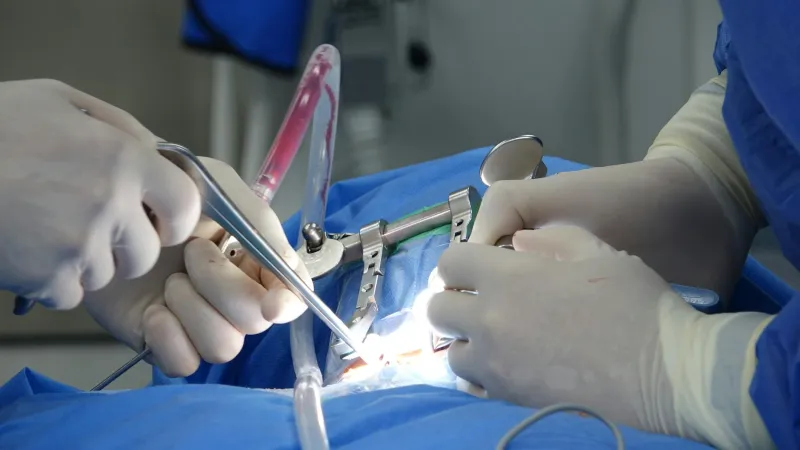
In 1896, a young German surgeon named Ludwig Rehn did something that should have ended his career. He opened a patient's chest and sewed up a stab wound to the heart. The medical establishment was horrified — not because the patient died, but because he lived. For over a thousand years, touching the human heart had been considered an act of medical suicide.
"The surgeon who attempts to suture a wound of the heart deserves to lose the esteem of his colleagues," declared one prominent physician of the era. The heart, they believed, was simply too delicate, too vital, too sacred to survive human intervention.
Fast-forward to last Tuesday, when 67-year-old Maria Rodriguez walked out of Houston Methodist Hospital less than 24 hours after surgeons replaced one of her heart valves — while her heart continued beating throughout the entire procedure.
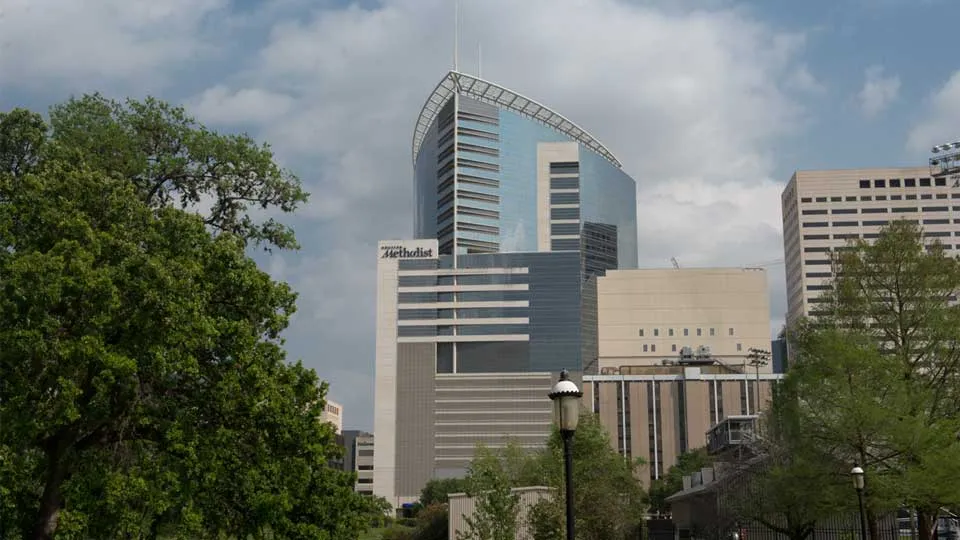 Photo: Houston Methodist Hospital, via www.ftspec.com
The Forbidden Territory
Before the 20th century, a broken rib that punctured the heart meant certain death. A bullet wound to the chest? Game over. Heart defects that babies are born with today and routinely survive? Fatal within months or years.
The medical reasoning seemed sound: the heart never stops working. Unlike other organs that could be temporarily shut down or bypassed, the heart's ceaseless pumping made surgical intervention impossible. One wrong move, and the patient would die on the table — not from the original problem, but from the surgeon's attempt to fix it.
Doctors could diagnose heart problems through crude methods — listening with primitive stethoscopes, observing symptoms, feeling pulses — but treatment was limited to bed rest, digitalis (a plant-based medication), and prayer. Lots of prayer.
Cardiac conditions that seem manageable today carried death sentences. Rheumatic heart disease, caused by untreated strep throat, would slowly destroy heart valves over years. Patients would grow progressively weaker, their lips turning blue as their hearts failed to pump efficiently. Families would watch helplessly as their loved ones essentially drowned in their own fluid.
The Breakthrough That Changed Everything
The revolution began in the 1930s with an audacious idea: what if we could stop the heart temporarily and take over its job with a machine? Dr. John Gibbon spent decades developing what would become the heart-lung machine — a device that could oxygenate blood and pump it through the body while surgeons worked on the motionless heart.
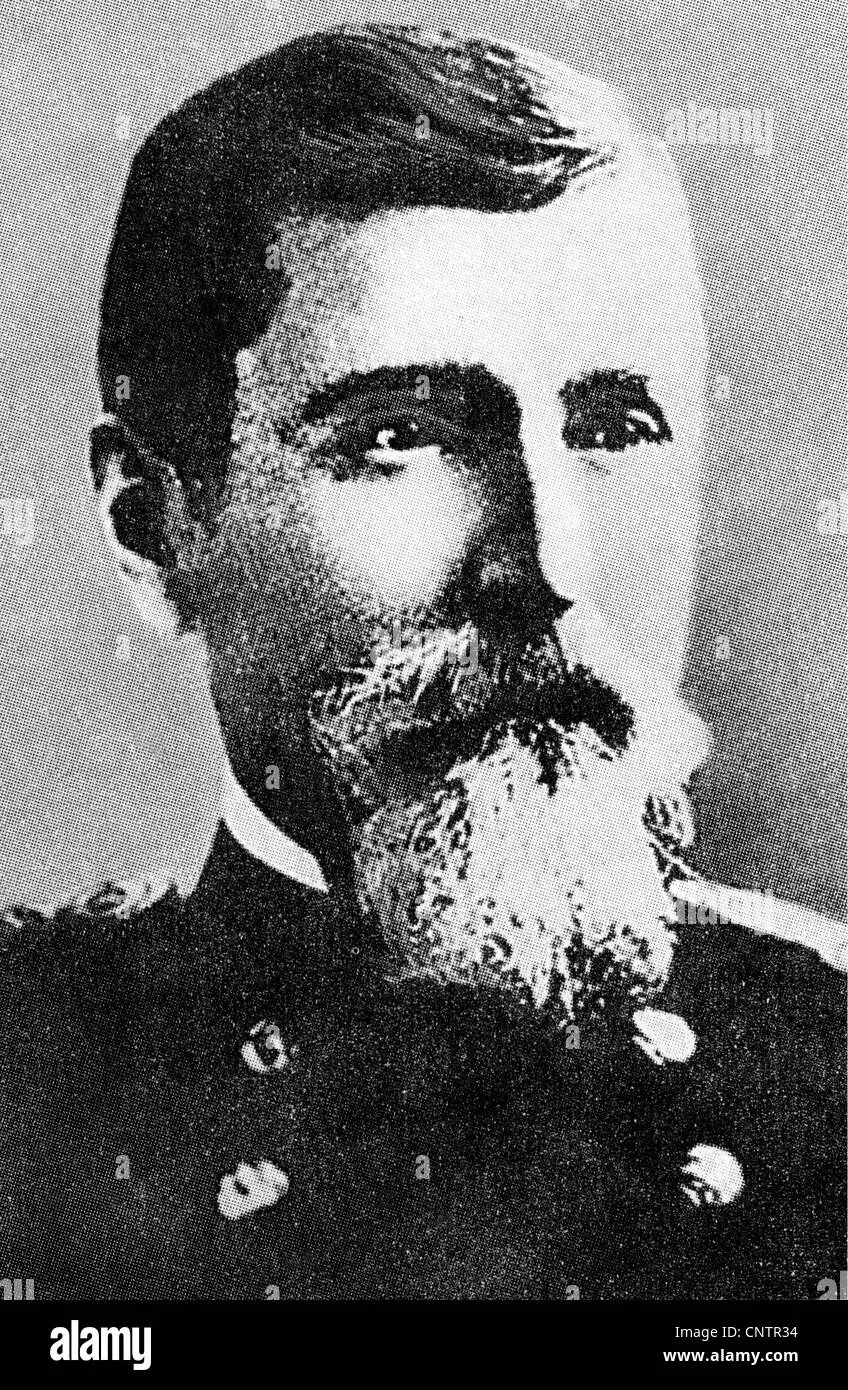 Photo: John Gibbon, via c8.alamy.com
On May 6, 1953, Gibbon performed the first successful open-heart surgery using his machine on 18-year-old Cecilia Bavolek, closing a hole in her heart that would have eventually killed her. The surgery took 27 minutes of "cross-clamp time" — 27 minutes during which her heart sat completely still while a machine kept her alive.
The medical world was stunned. The forbidden had become possible.
From Impossible to Routine
By the 1960s, heart surgery had evolved rapidly. Surgeons were performing the first heart transplants, replacing damaged valves, and bypassing blocked arteries. Operations that took eight hours and required weeks of recovery became the new normal for conditions that had previously meant certain death.
But even these "miraculous" procedures pale in comparison to what's happening in operating rooms today.
Modern cardiac surgeons routinely perform procedures that would have seemed like science fiction just 30 years ago. Transcatheter aortic valve replacement (TAVR) allows surgeons to replace a heart valve by threading a catheter through a small incision in the leg — no chest-cracking required. The patient stays awake, chatting with the surgical team while their heart valve is replaced.
Robotic surgery lets surgeons operate through incisions the size of buttonholes, manipulating instruments with precision no human hand could achieve. Some procedures that once required splitting the breastbone and weeks of recovery now involve three small holes and a same-day discharge.
The Numbers Tell the Story
The transformation is staggering when you look at survival rates. In 1950, the five-year survival rate for someone diagnosed with heart failure was about 50%. Today, it's over 75%, and many patients live normal lifespans with proper treatment.
Coronary artery bypass surgery — the procedure that involves rerouting blood flow around blocked arteries — now has a success rate exceeding 95%. The mortality rate for the operation itself has dropped to less than 2%, meaning you're statistically more likely to die driving to the hospital than during the surgery.
Perhaps most remarkably, many heart procedures no longer require stopping the heart at all. "Beating heart" surgery allows surgeons to perform coronary bypasses while the heart continues pumping, eliminating many of the risks associated with the heart-lung machine.
The Quiet Revolution Continues
Today's cardiac patients often don't realize how radically their experience differs from previous generations. They schedule their heart surgery like a dental appointment, drive themselves to pre-operative appointments, and return to work within days or weeks.
Telemedicine allows cardiologists to monitor patients' hearts in real-time through implanted devices that transmit data continuously. Artificial intelligence analyzes heart rhythms and can predict problems before patients feel symptoms. Some heart attacks are now detected and treated before the patient even knows they're having one.
The next frontier is already arriving: 3D-printed heart valves grown from the patient's own cells, gene therapy to repair damaged heart muscle, and artificial hearts that could eliminate the need for transplants entirely.
From Sacred to Routine
What strikes me most about this transformation isn't just the technology — it's how completely our relationship with heart disease has changed. A century ago, chest pain meant accepting your fate. Today, it means scheduling a procedure.
The heart, once medicine's most forbidden territory, has become one of its most successfully conquered frontiers. The organ that ancient cultures believed housed the soul is now repaired by robots, monitored by smartphones, and kept beating by devices smaller than a deck of cards.
Ludwig Rehn's colleagues thought he was crazy for touching a human heart in 1896. Today, touching the heart — fixing it, improving it, sometimes replacing it entirely — is so routine that cardiac surgeons perform over 400,000 heart procedures annually in the United States alone.
The death sentence has become a minor inconvenience. And somehow, most of us don't even realize how miraculous that transformation really is.