Home

Category

Culture

22 articles

When Shopping for Dinner Meant Planning Your Entire Weekend

When Shopping for Dinner Meant Planning Your Entire Weekend

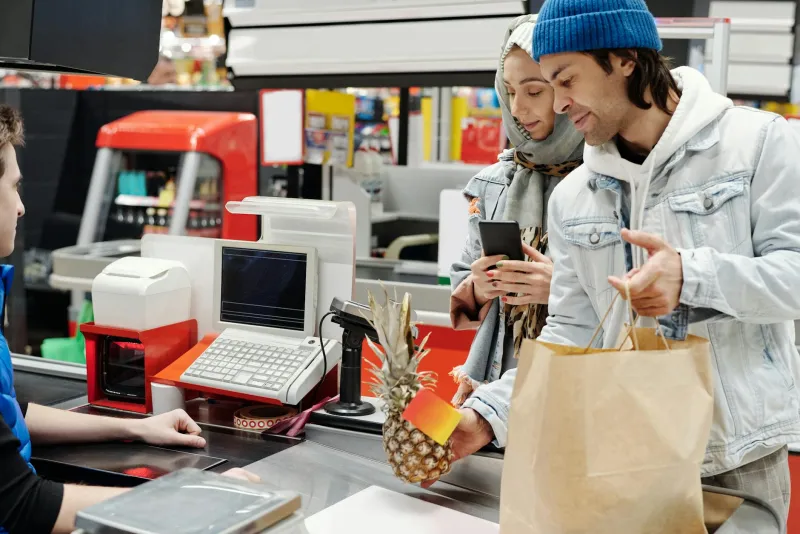
Before smartphones and same-day delivery, buying groceries was an elaborate social ritual that required careful planning, multiple stops, and genuine human interaction. Today's two-tap shopping experience would have seemed like pure science fiction just decades ago.

Kids Used to Disappear All Day and Nobody Called the Police

Kids Used to Disappear All Day and Nobody Called the Police

American children once roamed their neighborhoods freely from dawn to dusk, creating their own adventures and entertainment. Today's hyper-scheduled, constantly monitored childhood would be unrecognizable to previous generations.

Breaking Up Used to Mean Breaking the Bank. Now Your Phone Does the Paperwork.

Breaking Up Used to Mean Breaking the Bank. Now Your Phone Does the Paperwork.

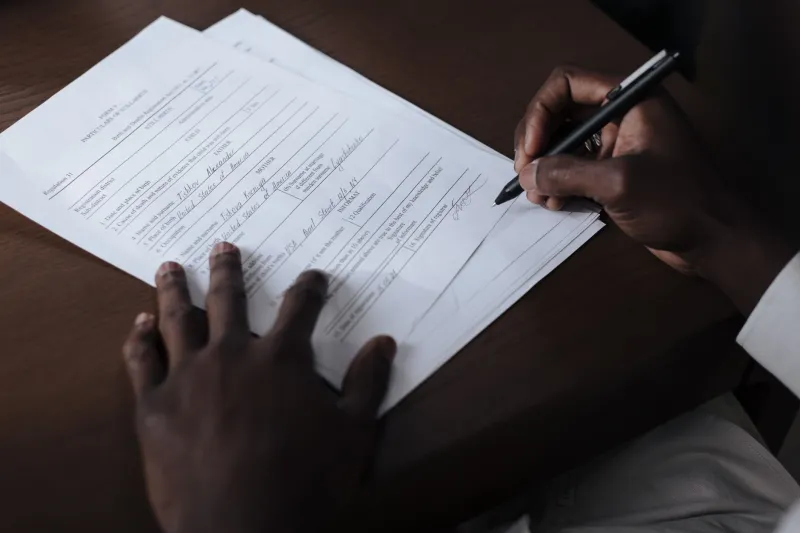
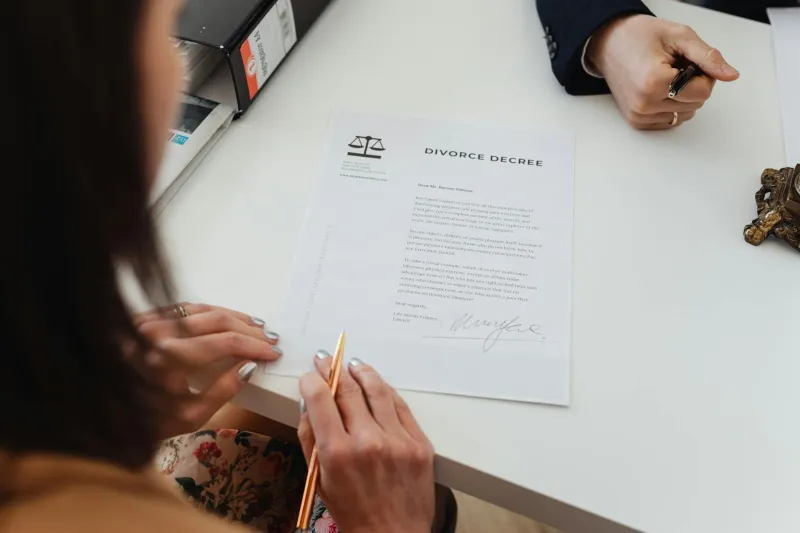
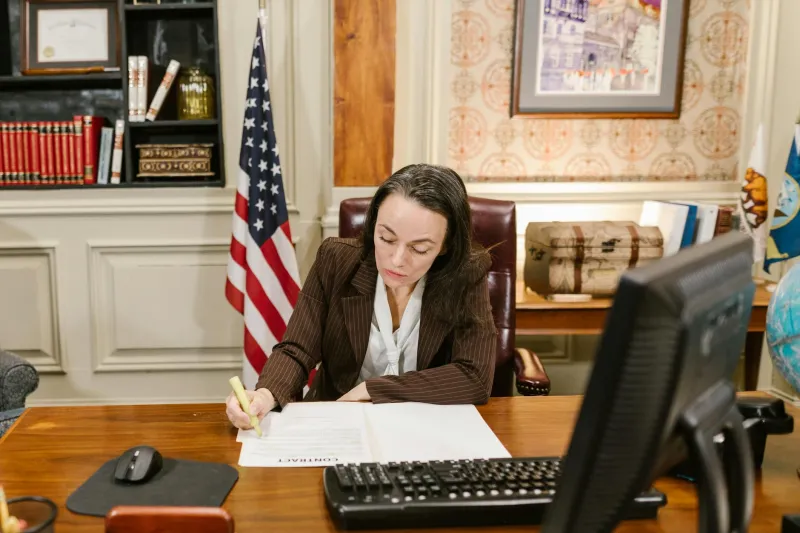
Getting divorced once meant hiring expensive lawyers, enduring months of court battles, and having your private business splashed across newspaper notices. Today's couples can split up online for less than the cost of a nice dinner, but has making divorce easier changed how we view marriage itself?

When Buying a House Required a Small Army of Professionals

When Buying a House Required a Small Army of Professionals

For decades, purchasing a home meant coordinating lawyers, title companies, appraisers, and bankers in an elaborate dance that could take months. Today's streamlined digital process would seem like magic to homebuyers from the 1960s.

When Sending $20 to Your Friend Required a Notary and Three Business Days

When Sending $20 to Your Friend Required a Notary and Three Business Days

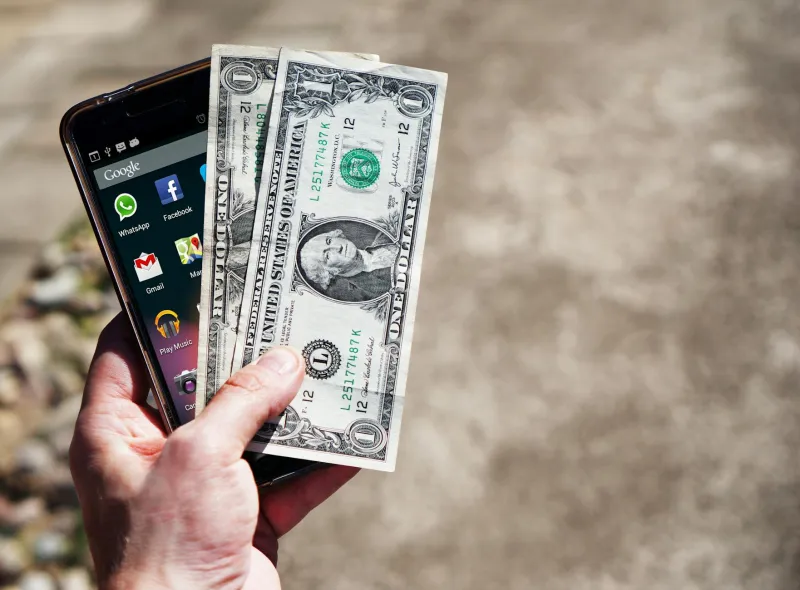
Before smartphones made splitting dinner bills effortless, transferring money to another person involved banks, paperwork, and enough bureaucracy to make you think twice about lending a friend twenty bucks. The simple act of paying someone back has undergone one of the most dramatic transformations of the digital age.

Wall Street Used to Be a Members-Only Club. Your Phone Just Opened the Door.

Wall Street Used to Be a Members-Only Club. Your Phone Just Opened the Door.

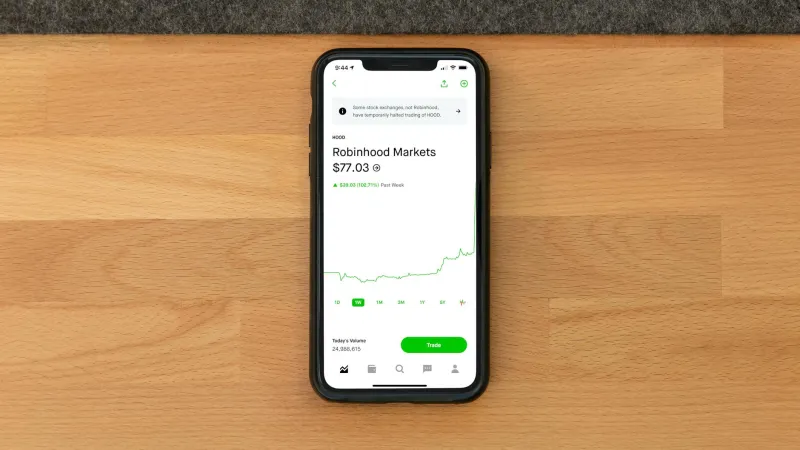
Thirty years ago, building an investment portfolio meant navigating a world of gatekeepers, minimum account balances, and commissions that made wealth-building feel like a luxury reserved for the already-wealthy. Today, a teenager with a smartphone can own fractional shares of Fortune 500 companies for free. The shift reveals more than just technological progress—it's a fundamental reshaping of who gets to participate in building wealth.

Your Kid's College Search Used to End at the State School. Now It Never Ends.

Your Kid's College Search Used to End at the State School. Now It Never Ends.

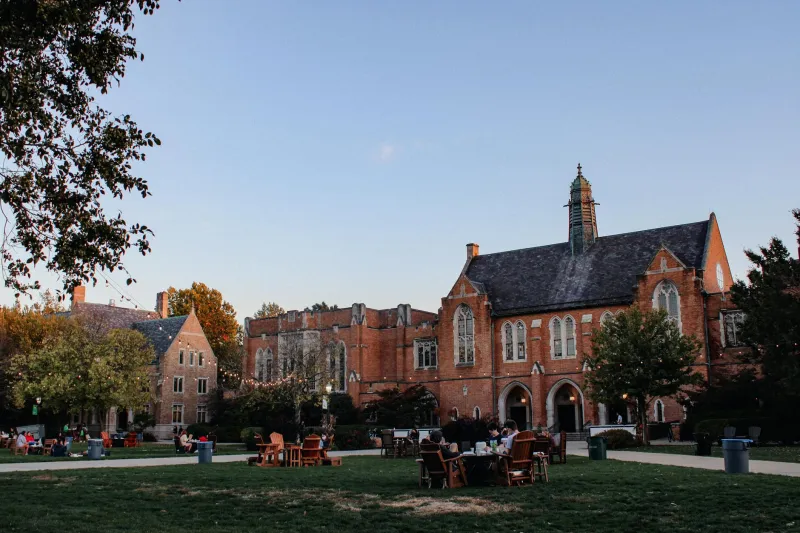
A generation ago, choosing a college was often a straightforward equation: you applied to the nearest public university or maybe one school a few states over, and that was that. Today's high school seniors navigate thousands of options, global rankings, virtual tours, and the pressure to find their 'best fit' among endless possibilities. The explosion of choice has democratized access—but it's also created a new kind of paralysis.

One Store Used to Know Your Name. Then Everything Changed.

One Store Used to Know Your Name. Then Everything Changed.

Before the supermarket era, Americans built their weekly routines around a handful of neighborhood specialists who knew exactly how they liked their cuts and their bread. The rise of the one-stop retail giant reshaped not just shopping, but community itself. Now, quietly, something is pulling us back.

Retirement Used to Be Simple. Here's the Complicated Story of How It Stopped Being That Way

Retirement Used to Be Simple. Here's the Complicated Story of How It Stopped Being That Way

Your grandparents likely retired with a pension, a Social Security check, and a reasonable expectation that it would all hold together. Most Americans today will retire with none of those certainties — just a 401(k), a hope, and a whole lot of variables nobody fully anticipated. Understanding how we got here changes how you think about where you're headed.


When Buying Groceries Meant Knowing Everyone Who Sold Them

When Buying Groceries Meant Knowing Everyone Who Sold Them

Before the supermarket swallowed American food culture whole, buying dinner meant visiting five different shops and five different people who actually knew what they were selling. What we gained in convenience, we quietly traded away in connection, quality, and community.

Remember When 'I'll Call You Later' Actually Meant Something?

Remember When 'I'll Call You Later' Actually Meant Something?

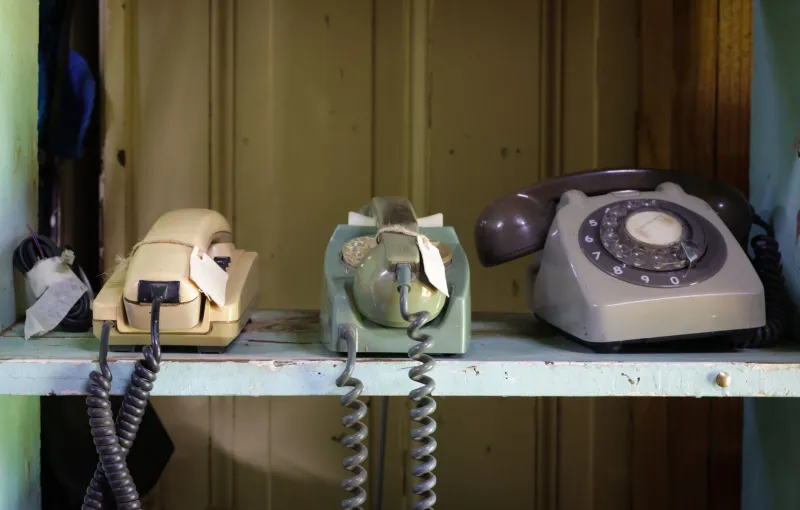
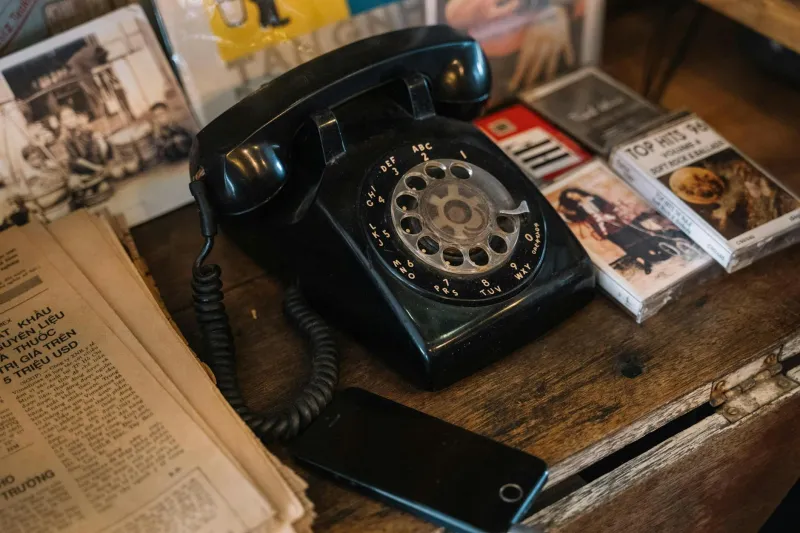
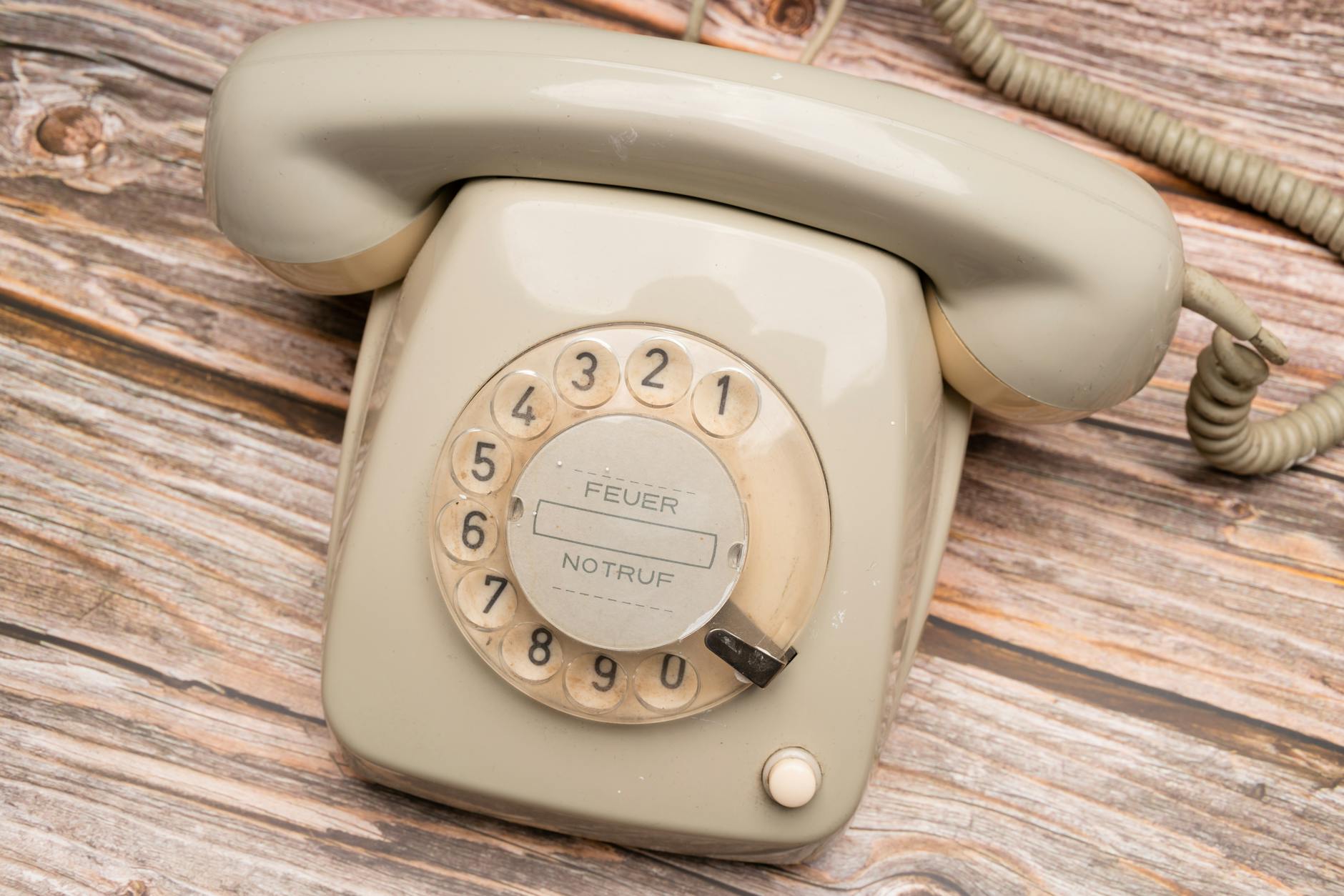
There was a time in America when calling a friend meant dialing a number, listening to it ring, and genuinely not knowing if anyone would pick up. No texts. No voicemail. No second chance. That world shaped how people related to each other in ways we've almost entirely forgotten — and maybe quietly miss.