Home

Category

Health

24 articles

The Test Results That Arrived Like a Death Sentence in an Envelope

The Test Results That Arrived Like a Death Sentence in an Envelope

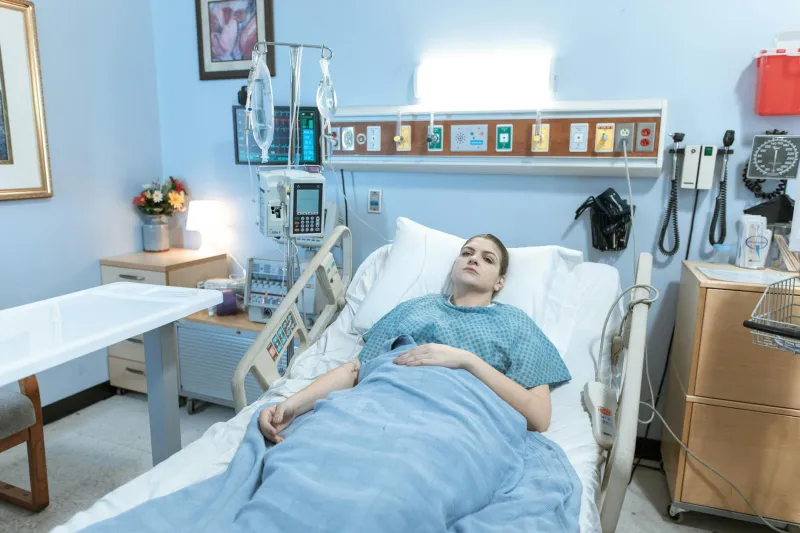
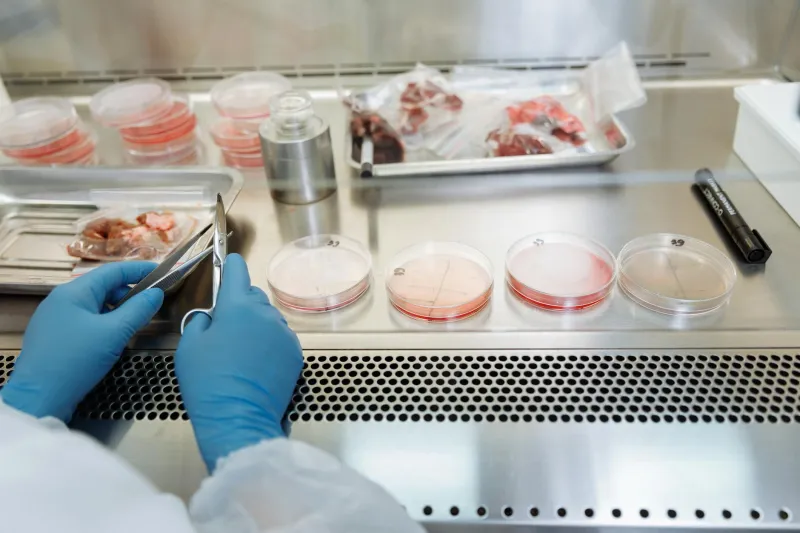
Your great-grandmother waited three weeks to learn if that lump was cancer, with nothing but a thin envelope between hope and despair. Today's instant lab results would have seemed like pure magic to a generation that planned funerals while waiting for the mailman.

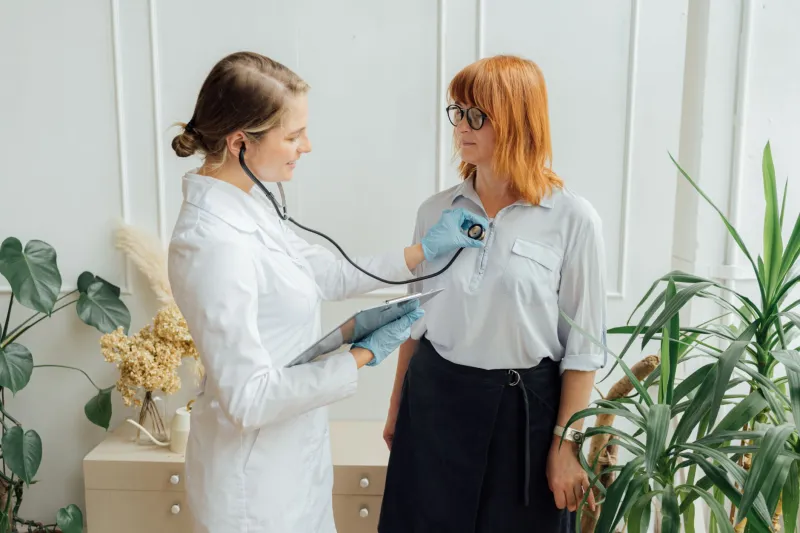
Your Doctor's Best Guess Used to Be Your Only Option

Your Doctor's Best Guess Used to Be Your Only Option

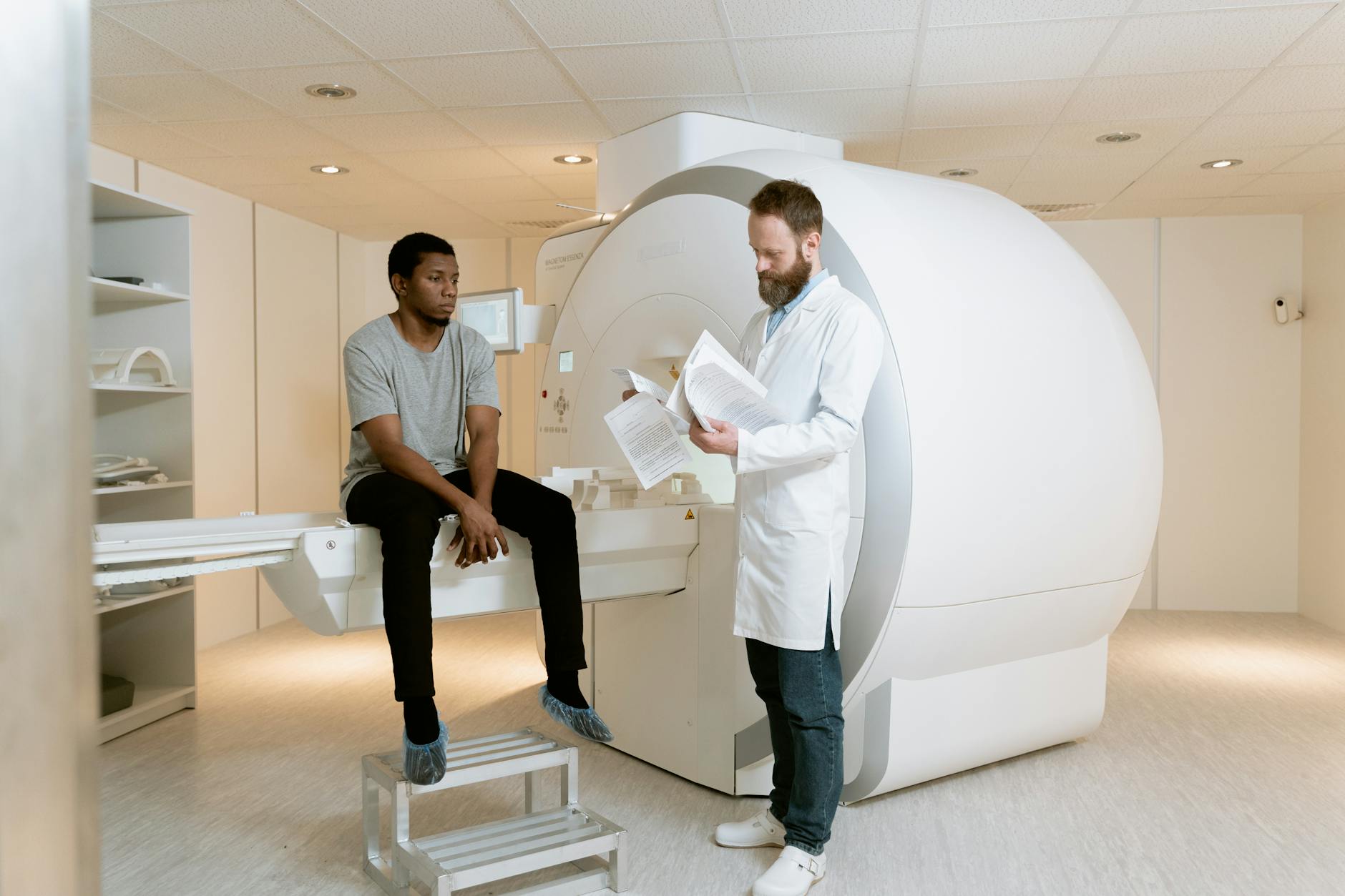
Before MRIs, blood tests, and instant lab results, doctors relied on their senses and experience to figure out what was wrong with you. A stethoscope and a hunch were often all that stood between you and the unknown.

When Getting Glasses Meant Playing Twenty Questions With Your Eyes

When Getting Glasses Meant Playing Twenty Questions With Your Eyes

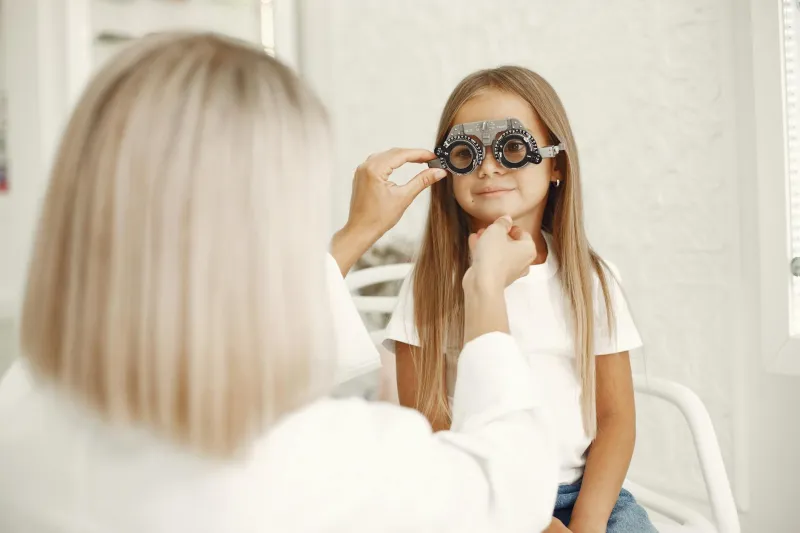
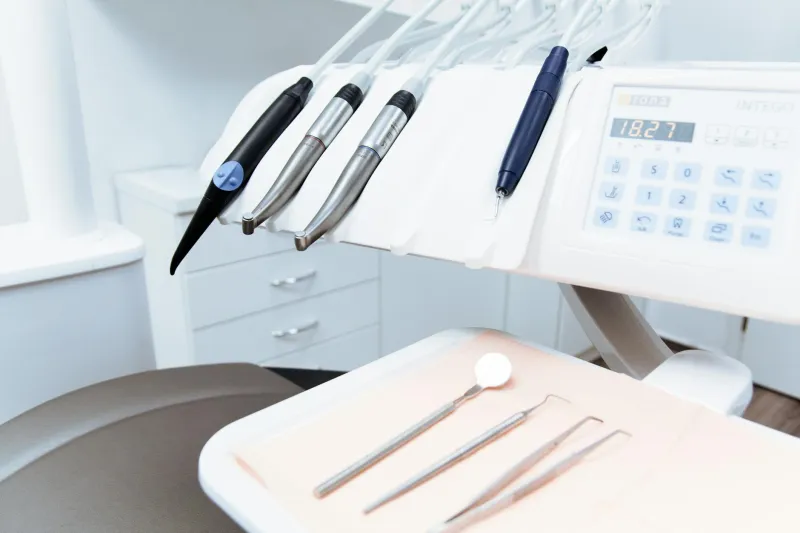
For most of human history, getting an eye exam was like playing a high-stakes guessing game where the prize was your ability to see clearly. Today's precision eye care would seem like science fiction to someone squinting through hand-ground lenses from 1920.

The Disease You're Googling at 2 AM Used to Take Months to Identify

The Disease You're Googling at 2 AM Used to Take Months to Identify

A century ago, mysterious symptoms meant long waits and uncertainty. Today, we diagnose ourselves before breakfast and argue with doctors about it. Here's how the path from 'something's wrong' to 'here's what you have' got turned completely upside down.

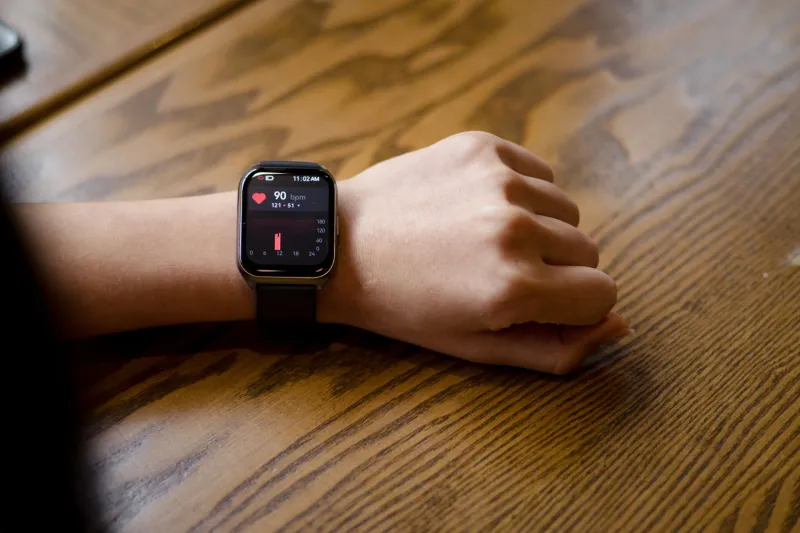
Your Smartwatch Knows You're Sick Before You Do

Your Smartwatch Knows You're Sick Before You Do

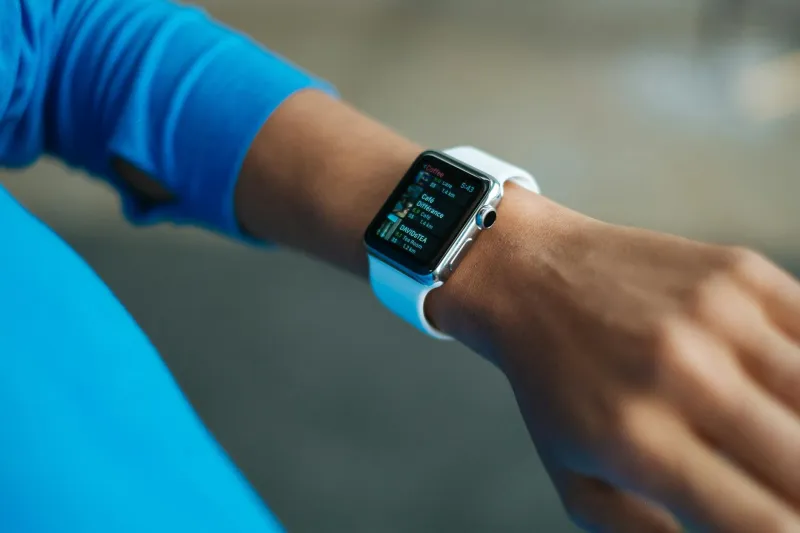
The journey from feeling unwell to getting answers used to take months of appointments, referrals, and waiting rooms. Today, your wrist might deliver a diagnosis before you even notice symptoms.

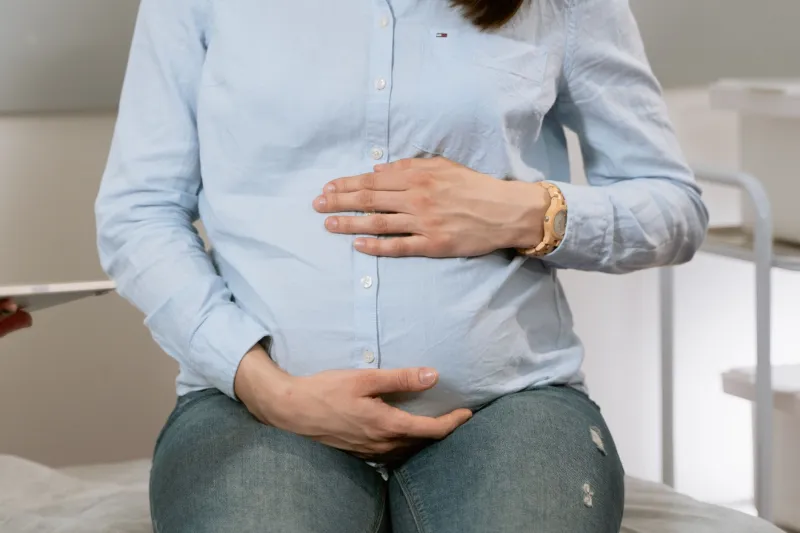
When Having a Baby Meant Writing Your Will First

When Having a Baby Meant Writing Your Will First

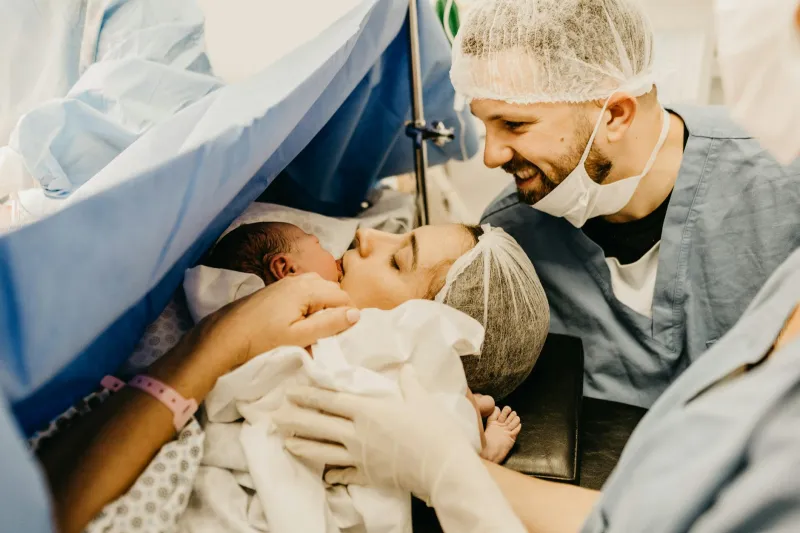
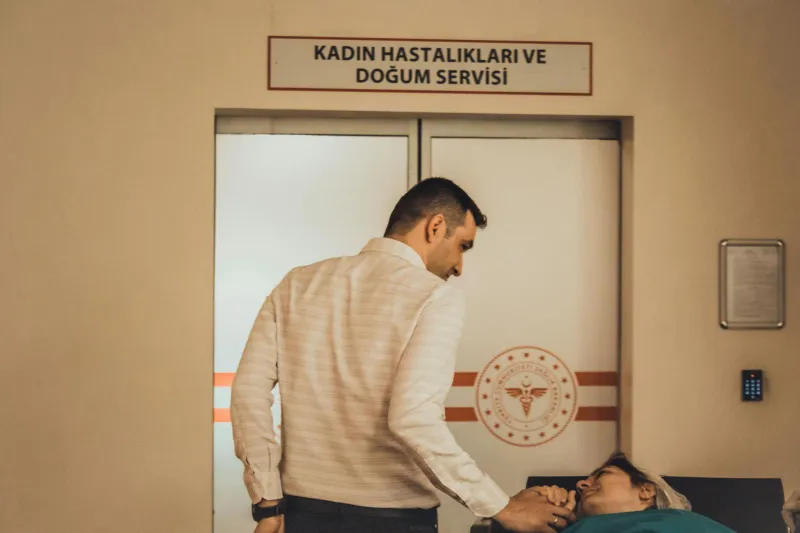
For centuries, pregnancy announcements came with an unspoken understanding that death was a real possibility. Today's birth plans would have seemed like fantasy to women who once prepared for labor by settling their affairs and saying goodbye.

Sick After 5 PM? You Used to Have One Choice. Now You Have Too Many.

Sick After 5 PM? You Used to Have One Choice. Now You Have Too Many.

Three decades ago, if you got sick outside of business hours, your options were stark: wait until morning for your doctor's appointment or spend the night in a crowded emergency room alongside cardiac patients and trauma cases. The rise of urgent care clinics, walk-in centers, and telehealth has fundamentally rewired how Americans access medical care—shifting power from institutions to patients, and time from doctors to clocks.

For Most of Human History, Nobody Had to Think About Exercise

For Most of Human History, Nobody Had to Think About Exercise

A few generations ago, the idea of driving to a building specifically to walk on a moving belt would have seemed absurd — because daily life already demanded everything your body had. The modern fitness industry is a direct response to a problem that didn't exist for most of human history. Here's how we got here, and what it says about us.

The Symptoms You Described Used to Be All a Doctor Had to Go On

The Symptoms You Described Used to Be All a Doctor Had to Go On

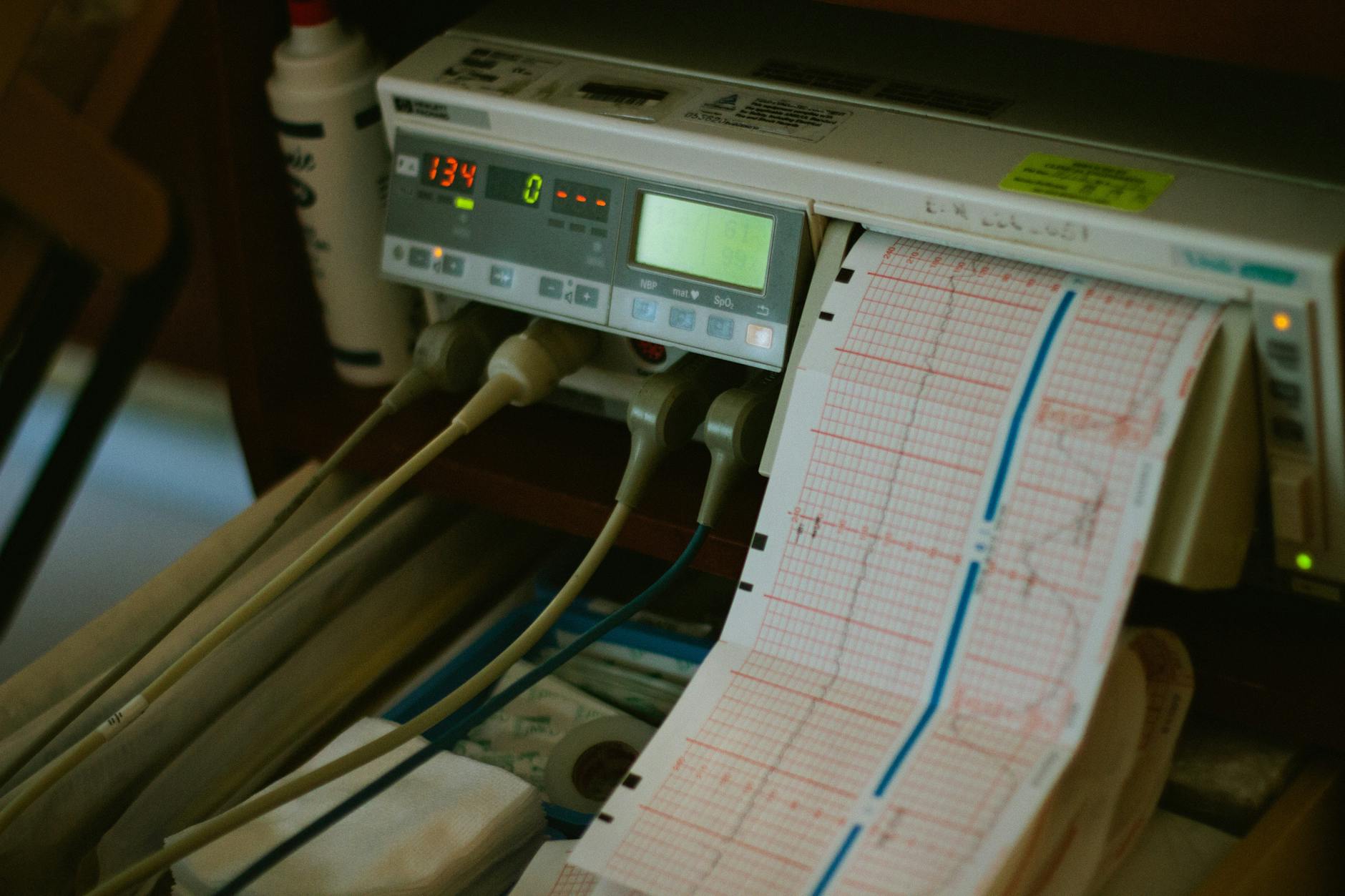
For most of medical history, diagnosing what was wrong with you depended almost entirely on what you could describe and what a doctor could observe with their own eyes and hands. Today, a single blood draw or a smartphone sensor can catch diseases years before you feel a thing — and that gap in time is often the difference between life and death.

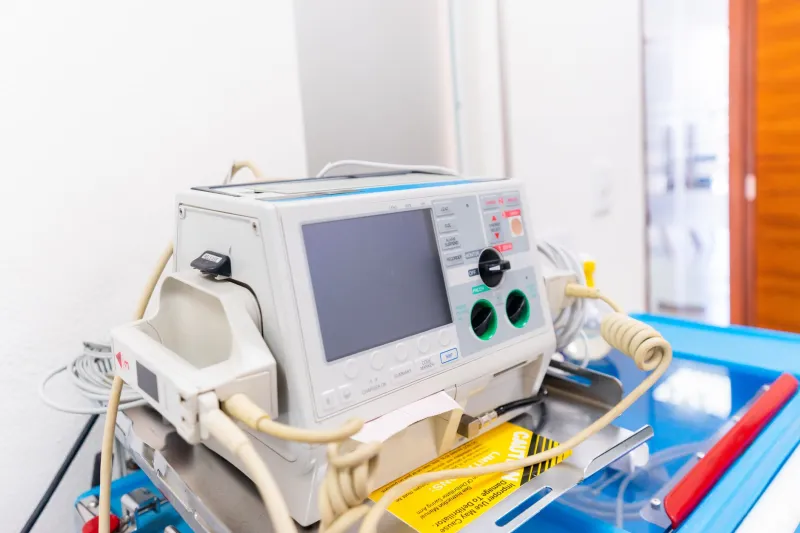
What a Heart Attack Used to Mean — And Why It Doesn't Mean That Anymore

What a Heart Attack Used to Mean — And Why It Doesn't Mean That Anymore

In 1955, a heart attack was often a one-way door. Patients who survived were told to rest, avoid exertion, and lower their expectations for life. Today, many people walk out of the hospital days after a cardiac event and return to full lives. The distance between those two realities is one of medicine's most remarkable journeys.