Death Planning Used to Require a Three-Piece Suit. Now It Takes Three Clicks.
When Death Required a Formal Introduction
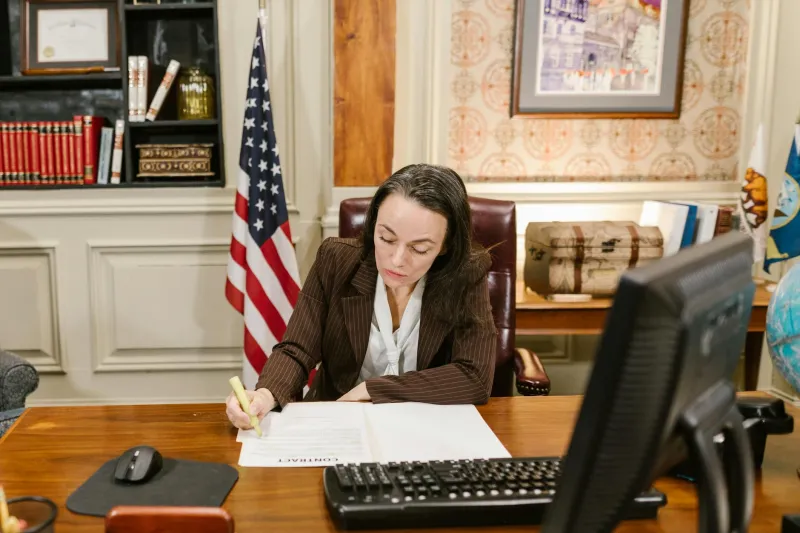
In 1985, if you wanted to write a will, you called your family lawyer—assuming you had one. You'd schedule an appointment weeks in advance, gather financial documents, and prepare for what felt more like a medical procedure than a legal one. The lawyer's office, with its leather-bound books and heavy wooden desk, reinforced the gravity of planning for your own death.
Most Americans simply didn't bother. The process was expensive, intimidating, and required confronting mortality in a way that felt premature for anyone under 65. Estate planning was largely the domain of the wealthy, who had assets worth protecting and lawyers on retainer.
The Gatekeepers of Your Final Wishes
For centuries, creating a legally binding will required professional legal expertise. State laws varied dramatically, and a single misplaced word could invalidate the entire document. Lawyers charged anywhere from $300 to $1,500 for basic wills—a significant expense for middle-class families in the 1980s and 1990s.
The process itself was ritualistic. You'd sit across from an attorney who would explain complex legal terminology, ask probing questions about your relationships and finances, and draft documents in formal language that sounded nothing like how you actually spoke. Multiple appointments were common, as lawyers needed time to prepare documents and review changes.
This system created a massive gap in estate planning. Studies from the 1990s showed that fewer than 30% of American adults had wills, despite financial advisors universally recommending them. The barrier wasn't just cost—it was the entire experience of navigating an unfamiliar legal world.
The Digital Revolution Meets Death
The transformation began quietly in the early 2000s with basic online legal document services. Companies like LegalZoom started offering simple wills for under $100, using questionnaire-style interfaces that felt more like tax software than legal consultation.
But the real shift happened with smartphone apps. Services like Trust & Will, FreeWill, and Willing turned estate planning into something you could complete while waiting for coffee. These platforms use guided interviews, plain English explanations, and automated document generation to create legally compliant wills in most states.
Today, you can draft a basic will in 15-30 minutes using your phone. The apps ask straightforward questions: Who gets what? Who takes care of your kids? Where should your assets go? The technology handles state-specific requirements, legal formatting, and witness provisions automatically.
What We Gained—and What We Lost
The democratization of estate planning has been remarkable. Will-creation rates have increased significantly among younger adults, particularly millennials who grew up comfortable with digital services handling important tasks. The cost barrier has essentially disappeared—many services offer basic wills for free, funded by upgrades to more complex estate planning tools.
Speed and convenience transformed a months-long process into an afternoon project. You can update your will instantly when life changes occur, rather than scheduling another lawyer appointment. The intimidation factor largely disappeared when estate planning moved from wood-paneled offices to familiar smartphone interfaces.
But something was lost in translation. The old system, for all its flaws, forced people to think deeply about their mortality and legacy. Sitting across from a lawyer meant confronting difficult questions about family relationships, financial priorities, and end-of-life wishes in a way that rapid-fire app questionnaires don't quite replicate.
The personal touch disappeared too. Family lawyers often knew clients for decades, understanding complex family dynamics that might affect estate planning decisions. They could spot potential problems—like choosing an executor who lives across the country or forgetting to account for specific state laws—that automated systems might miss.
The Paradox of Easy Estate Planning
Despite making will creation easier than ever, many Americans still avoid it. Recent surveys show that about 68% of adults still don't have wills, even with free and convenient options available. The barriers shifted from logistical to psychological—it's no longer about finding time or money, but about confronting the reality of death.
Interestingly, the ease of digital estate planning created its own problems. Some people rush through the process without fully considering their decisions, or create multiple versions without properly updating previous documents. The lack of professional guidance sometimes leads to oversimplified solutions for complex family situations.
A New Kind of Final Word
The evolution from lawyer-dependent to app-enabled estate planning reflects broader changes in how Americans handle important life decisions. We've traded expertise and personal relationships for convenience and accessibility—a familiar exchange in the digital age.
What remains constant is the fundamental human need to control what happens after we're gone. Whether drafted in a lawyer's office or on a smartphone during lunch break, a will represents the same basic desire: to have the last word on our own story.
The tools changed dramatically, but the underlying anxiety about mortality—and the relief that comes from addressing it—remains remarkably similar to what Americans felt fifty years ago. We just don't need to wear a three-piece suit to face it anymore.