Marriage Used to Be a Life Sentence. Now It's More Like a Subscription You Can Cancel Online.
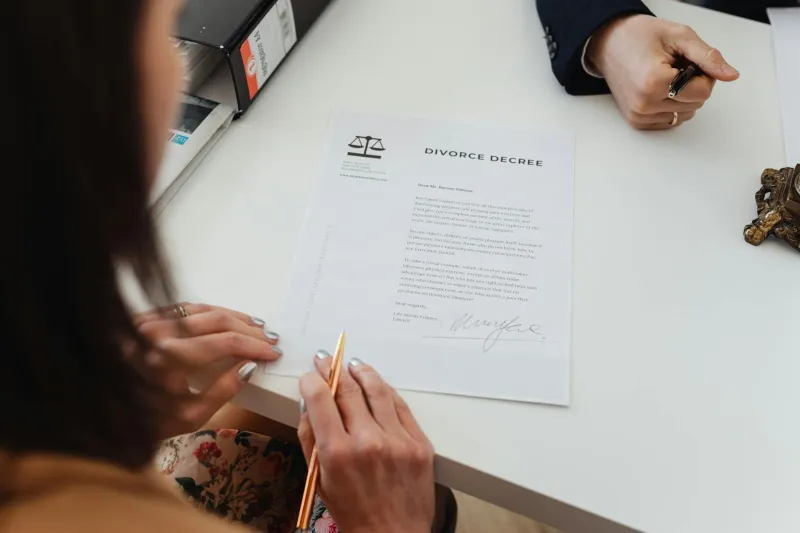
Marriage Used to Be a Life Sentence. Now It's More Like a Subscription You Can Cancel Online.
In 1960, if you wanted out of your marriage, you better have had deep pockets and an even deeper well of patience. Divorce wasn't just emotionally devastating — it was a legal marathon that could drag on for years, cost thousands of dollars, and air your dirty laundry in front of a judge who might decide your personal business wasn't compelling enough to warrant freedom.
Fast-forward to today, and you can literally file for divorce while waiting for your coffee order. The transformation of how Americans end their marriages might be one of the most dramatic legal revolutions of the past century, yet most people don't realize just how radically different the process has become.
When Divorce Was Reserved for the Wealthy and Patient
Before no-fault divorce laws swept across America in the 1970s, getting divorced required proving your spouse had committed one of a handful of "acceptable" offenses: adultery, abandonment, cruelty, or imprisonment. This wasn't just bureaucratic nitpicking — it meant hiring private investigators, gathering evidence, and essentially building a legal case against the person you once promised to love forever.
The average divorce in the 1960s cost between $3,000 and $10,000 — equivalent to roughly $25,000 to $85,000 in today's money. That's more than most Americans made in an entire year. Court proceedings could stretch on for 18 months or longer, with multiple appearances, depositions, and hearings. Many couples simply couldn't afford to get divorced, trapping them in unhappy marriages indefinitely.
Even worse, the entire process was public record. Your neighbors, coworkers, and community could follow along as intimate details of your failed marriage were dissected in court. The social stigma was so intense that many women found themselves financially ruined and socially ostracized after divorce, while men often lost access to their children entirely.
The Digital Revolution Meets Family Law
Today's divorce landscape would be unrecognizable to couples from just two generations ago. Online platforms like Wevorce, It's Over Easy, and CompleteCase have turned divorce into something that looks more like filing your taxes than waging legal warfare. For uncontested divorces — where both parties agree on major issues — the entire process can be completed online for under $500.
These platforms use artificial intelligence to generate the necessary paperwork, guide couples through state-specific requirements, and even provide mediation services through video calls. What once required multiple trips to a lawyer's office, courthouse visits, and months of back-and-forth can now happen entirely from your kitchen table.
The speed is equally revolutionary. In states like Nevada and New Hampshire, uncontested divorces can be finalized in as little as two weeks. Even contested divorces that might have taken years in the past now typically resolve within six to twelve months, thanks to mandatory mediation programs and streamlined court procedures.
The Emotional Economics of Modern Divorce
Perhaps the most significant change isn't technological — it's cultural. The shame and secrecy that once surrounded divorce have largely evaporated. Social media has made relationship status changes as casual as updating your job title on LinkedIn. Dating apps have normalized the idea that relationships can and should end when they're no longer fulfilling.
This cultural shift has profound implications for how Americans approach marriage itself. When ending a marriage was financially catastrophic and socially devastating, couples stayed together through circumstances that would seem unthinkable today. The knowledge that divorce is accessible and affordable has, paradoxically, made many marriages healthier by removing the desperation that once kept unhappy couples trapped together.
Modern divorce has also become more equitable. While women in the 1960s often faced financial ruin after divorce, today's no-fault system and evolving attitudes toward alimony mean both parties are more likely to maintain their standard of living post-divorce.
The Subscription Model of Modern Relationships
The ease of modern divorce reflects a broader cultural shift toward viewing relationships through a consumer lens. Just as we cancel streaming services that no longer serve us, contemporary Americans increasingly view marriage as something that should enhance their lives — not constrain them indefinitely.
This isn't necessarily a negative development. The accessibility of divorce has removed much of the power imbalance that once kept people in abusive or deeply unhappy marriages. It's also forced couples to work harder at maintaining their relationships, knowing that their partners have genuine choice in staying.
Yet this convenience comes with its own complications. Some relationship experts worry that the ease of divorce might make couples too quick to give up when facing normal relationship challenges. When ending a marriage requires nothing more than a few clicks and a credit card, the incentive to work through difficult periods might be diminished.
The New Normal
The transformation of divorce from a lengthy legal battle to a streamlined administrative process represents more than just technological progress — it reflects a fundamental shift in how Americans think about marriage, autonomy, and personal fulfillment. What was once a permanent commitment with nearly insurmountable barriers to exit has become something more flexible and reversible.
Whether this change has made us happier or simply given us more options to be unhappy in new ways remains an open question. What's certain is that the couples filing for divorce today are navigating a completely different landscape than their grandparents did — one where ending a marriage is no longer a luxury reserved for the wealthy or a battle that destroys both parties in the process.
In a world where you can order groceries, find a date, and start a business from your phone, perhaps it was inevitable that divorce would join the digital revolution. The question isn't whether this change is good or bad — it's what we do with all this newfound freedom.