Three Meals a Day, Every Day, From Scratch — The Kitchen Routine America Quietly Abandoned
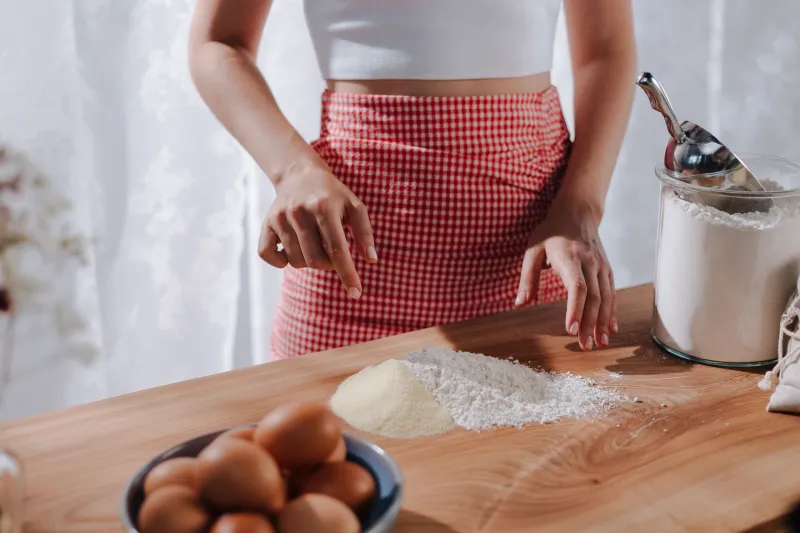
Somewhere around six in the morning, she was already in the kitchen. Bread needed to be made before the day got away from her. Breakfast wasn't a question of what to order — it was a question of what was in the larder and how long the fire had been going. Lunch would need planning before breakfast was finished. And dinner, the main event, would require work that started before noon.
This was not a special occasion. This was Tuesday.
For the better part of American history, feeding a household was a full-scale daily operation. It demanded skill, stamina, and an almost military level of advance planning. There were no shortcuts because there were no shortcuts. You cooked, or you didn't eat.
That world is so thoroughly gone that it's almost impossible to imagine from the inside of a modern kitchen — or from the couch, phone in hand, delivery order placed.
The Kitchen as the Center of Everything
In the 18th and 19th centuries, the kitchen wasn't just a room in an American home. It was the engine of the household. Cooking required managing an open hearth or wood-burning stove, which itself required sourcing and chopping fuel. Bread was baked from scratch because store-bought bread wasn't reliably available outside of cities. Meat had to be preserved, seasoned, or used quickly before it spoiled. Vegetables were whatever was growing, whatever had been stored from the last harvest, or whatever could be traded with a neighbor.
There was no concept of "I don't feel like cooking tonight." That sentence would have been meaningless. Not cooking meant not eating, and not eating was a problem that resolved itself quickly.
Even as industrialization changed American life in the late 1800s, home cooking remained the dominant food reality for most families. Cookbooks sold by the millions not as aspirational lifestyle content but as practical household manuals. The ability to cook well — to stretch ingredients, to preserve food safely, to bake reliably — was considered a fundamental life competency, roughly equivalent to knowing how to manage money or care for children.
This wasn't purely a woman's domain, though it largely fell to women. Men in rural households often knew the basics of food preservation, butchery, and open-fire cooking out of necessity. Cooking was survival infrastructure. Everyone had a stake in it.
The Slow Arrival of the Shortcut
The first cracks appeared in the early 20th century. Canned goods, which had been a wartime novelty, crept into civilian pantries. Crisco replaced lard for many bakers. Pre-sliced bread arrived in 1928 — famously described as the greatest thing since, well, bread — and the readymade food industry began its long march.
But the real rupture came after World War II. Returning veterans, suburban expansion, and a booming consumer economy created the conditions for a food revolution that nobody fully saw coming. Frozen foods, pioneered by Clarence Birdseye but transformed into a mass-market phenomenon by companies like Swanson, offered something genuinely new: a complete meal that required nothing more than an oven and fifteen minutes.
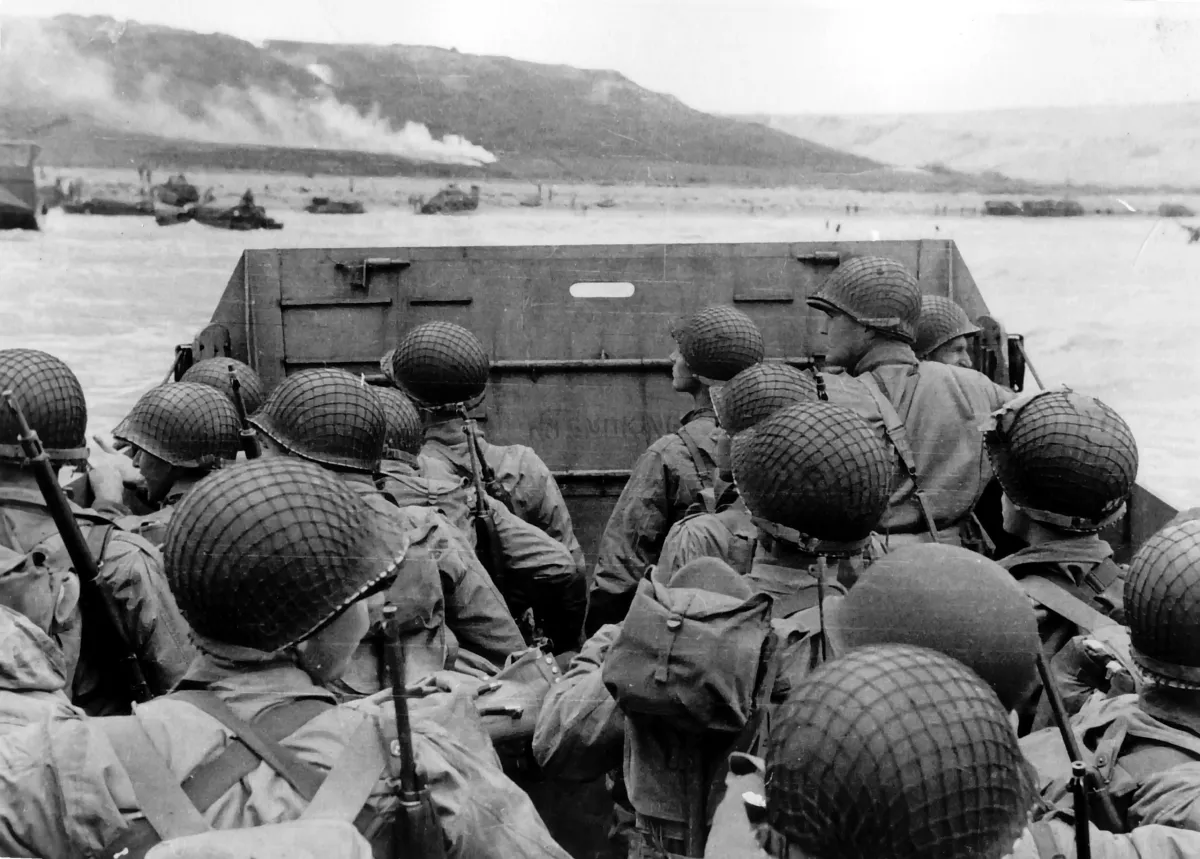 Photo: World War II, via www.historynet.com
 Photo: Clarence Birdseye, via i.pinimg.com
The TV dinner, introduced in 1953, was marketed as a modern miracle. For a generation of women entering the workforce in greater numbers throughout the 1960s and 70s, it was something more practical than that. It was time. An hour not spent in the kitchen was an hour that could go somewhere else.
Fast food followed its own parallel track. McDonald's, which had refined its assembly-line burger operation by the early 1950s, expanded aggressively through the 60s and 70s until the golden arches became as familiar as any landmark in the American landscape. By 1970, Americans were spending roughly 26 percent of their food budget on food prepared outside the home. By 2023, that number had crossed 55 percent.
What Replaced the Scratch Kitchen
The modern American food landscape would be unrecognizable — and frankly incomprehensible — to a homemaker from 1920. Meal kit services like HelloFresh and Blue Apron deliver pre-portioned ingredients and step-by-step instructions so that cooking from scratch requires neither planning nor skill. Apps like DoorDash and Uber Eats summon restaurant food to any address in under 45 minutes. Grocery store prepared sections now offer everything from rotisserie chicken to sushi-grade fish to fully assembled sheet pan dinners that need only to be heated.
Convenience stores sell hot food around the clock. Gas stations have breakfast sandwiches. Even Walmart sells heat-and-eat meals designed to replace home cooking entirely for families on tight budgets and tighter schedules.
The scratch kitchen hasn't vanished — it's been repositioned. Cooking from raw ingredients is now, for many Americans, a leisure activity. A weekend project. A form of self-expression or stress relief or social media content. Food influencers build careers around the kind of cooking that previous generations did anonymously every single day because they had no other choice.
What Was Lost. What Was Gained.
The honest answer is: both sides of that ledger are long.
What was lost is real. The daily kitchen routine was labor-intensive and often exhausting, but it also anchored households in a shared rhythm. It transferred knowledge — not just recipes but an understanding of food, of seasons, of how to make something from almost nothing — from one generation to the next. That transfer has largely broken down. A majority of Americans today report that they don't know how to cook more than a handful of dishes. Many grew up in households where cooking from scratch was already rare.
The food system that replaced scratch cooking also introduced its own problems. Ultra-processed foods, which now make up more than half of the average American's caloric intake, are linked to a range of chronic health issues that were far less prevalent when people cooked real ingredients every day. The convenience revolution did not make America healthier.
But what was gained is also real. Time, primarily. Hours that were once consumed by the kitchen have been redirected into careers, education, recreation, and family life in forms that previous generations couldn't access. The woman who spent four hours a day cooking in 1930 wasn't doing so by choice — she was doing it because the alternative was hunger. Liberating people from that constraint was not a trivial achievement.
The question worth sitting with isn't whether we should all go back to baking our own bread at dawn. It's whether, somewhere in the space between the cast iron skillet and the delivery app, we might have let go of something more than just the labor.