Your Grandfather Had No Idea What His Resting Heart Rate Was — And He Slept Fine
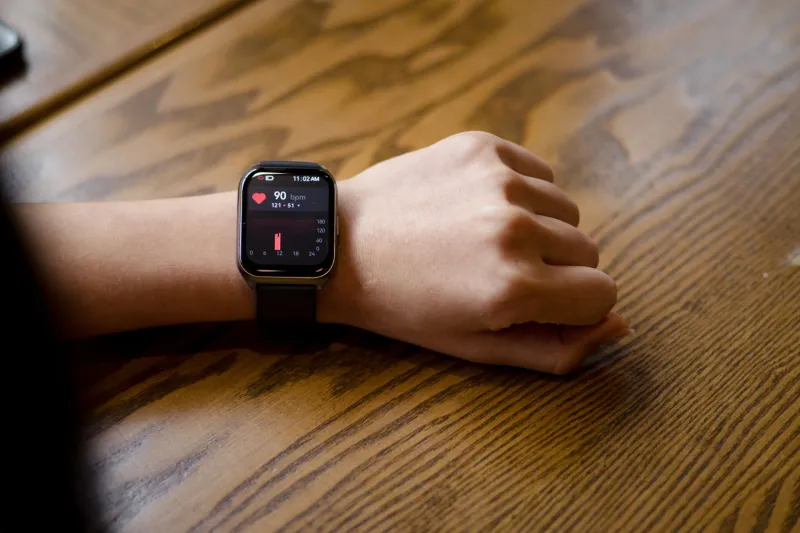
Here is something worth thinking about: your grandfather probably lived to a reasonable age, worked a physical job, raised children, shoveled snow, ate red meat on Wednesdays, and never once knew what his resting heart rate was. He didn't know his blood oxygen saturation. He couldn't have told you how many hours of REM sleep he got last Tuesday. He had no idea how many steps he took in a day, what his HRV score was, or whether his stress levels were trending upward.
He just... lived. He felt good or he felt bad. He went to the doctor when something was wrong. Otherwise, his body was essentially a black box — functional, mostly reliable, and not particularly scrutinized.
Now consider the modern American morning. Before getting out of bed, a significant portion of the population has already checked how their night scored on a wellness app, reviewed their overnight heart rate data, noted whether their sleep stages aligned with recommended targets, and received a small notification suggesting they drink water. The body is no longer a black box. It's a dashboard. And the dashboard is always on.
When Doctors Were the Only Ones Who Checked
For most of the twentieth century, health metrics were the exclusive domain of the medical appointment. Blood pressure was something a nurse measured with a cuff and a stethoscope. Pulse was taken manually, two fingers on the wrist, someone counting quietly. These numbers were recorded in a paper file, discussed briefly if they were unusual, and otherwise not part of a person's daily awareness.
The annual physical — if a person even had one — was the moment when the body got assessed. Outside of that, the main diagnostic tool available to ordinary Americans was subjective experience. Do you feel okay? Yes? Good. Carry on.
This wasn't negligence. It was the reality of the available technology, combined with a cultural understanding that medicine was something you consulted when something went wrong, not a continuous background process. People in the 1950s and 1960s didn't walk around anxious about their cholesterol because they didn't know what their cholesterol was. The number didn't exist for them in any practical sense.
There were real costs to this. Hypertension went undetected. Atrial fibrillation showed up only when it caused a stroke. Diabetes was often diagnosed late, after damage had already accumulated. The black-box model of personal health had genuine, sometimes fatal, blind spots.
The Wrist That Became a Medical Device
The shift happened in stages. Home blood pressure cuffs became widely available in the 1980s. Pedometers showed up in the 1990s, mostly as novelty items. The Fitbit arrived in 2009 and introduced a generation of Americans to the idea of tracking daily movement as a form of self-improvement.
Then Apple put a heart rate sensor in the Apple Watch in 2015, and the game changed entirely.
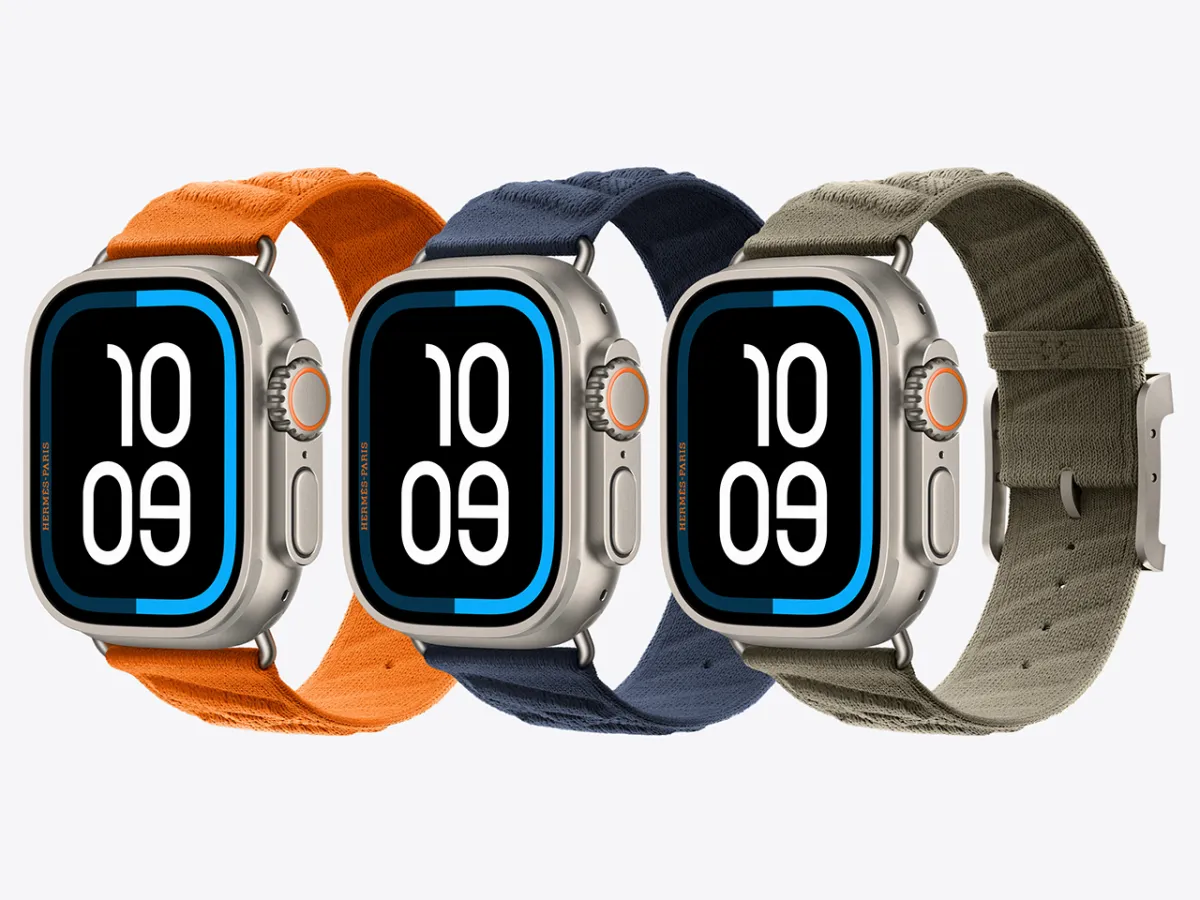 Photo: Apple Watch, via www.yankodesign.com
Today's consumer wearables are legitimately impressive pieces of medical-adjacent technology. The Apple Watch Series 9 can take an ECG reading. It can detect irregular heart rhythms. It monitors blood oxygen levels using light sensors pressed against the skin. The Oura Ring tracks body temperature fluctuations that can indicate illness before symptoms appear. WHOOP provides recovery scores based on heart rate variability data that, a decade ago, was only accessible to elite athletes with dedicated sports science support staff.
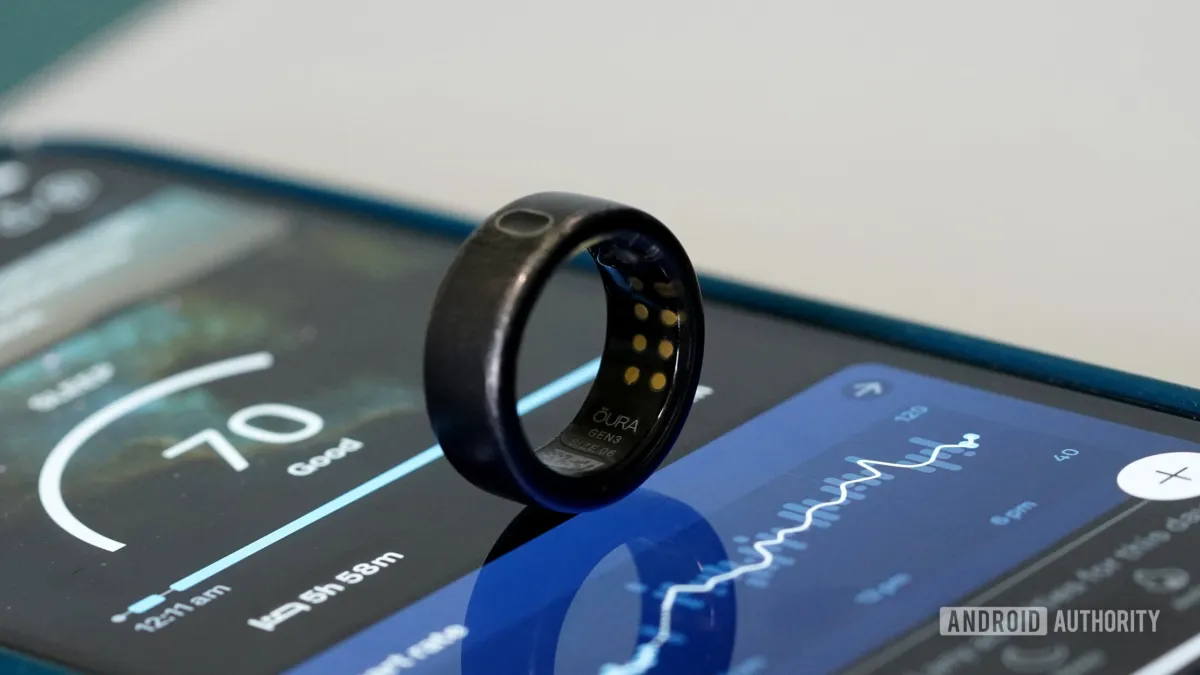 Photo: Oura Ring, via www.androidauthority.com
The FDA has cleared several of these devices for specific medical uses. Cardiologists are receiving data from their patients' wrists between appointments. People are showing up to the emergency room with their watch's ECG printout in hand, and the doctors are reading it. This is not science fiction. This is Tuesday in America.
The Question Nobody Quite Wants to Answer
So here's the uncomfortable part: is any of this actually making people healthier?
The evidence is genuinely mixed, and it's worth being honest about that.
On the positive side, wearables have caught real problems. There are documented cases of people discovering atrial fibrillation through their smartwatch before they had any symptoms — conditions that, untreated, carry serious stroke risk. There are people who were nudged into better sleep habits, more consistent exercise, or earlier medical consultations because a device on their wrist gave them data they couldn't ignore. For people managing chronic conditions like diabetes or heart disease, continuous monitoring has real clinical value.
But there's another side to this story, and it shows up in therapists' offices with some regularity.
Health anxiety has measurably increased in the United States over the past decade, and researchers are starting to ask whether the proliferation of personal health data is contributing to it. When your watch tells you your heart rate spiked during a meeting, you have to decide what to do with that information. When your sleep app gives you a 61 out of 100 and you have an important presentation at 9 AM, you've just been handed a piece of data that may be more anxiety-producing than useful.
There's a term that's entered clinical conversation: orthosomnia. It refers to insomnia caused by the pursuit of perfect sleep data — people so focused on optimizing their tracked sleep that the tracking itself disrupts the sleep. The cure is making the problem worse. That's a very modern kind of irony.
A 2019 study published in JAMA Internal Medicine found that tracking steps increased physical activity in some participants but also increased anxiety and reduced feelings of intrinsic motivation in others. The data didn't just measure behavior — it changed the relationship people had with their own bodies, and not always for the better.
Two Different Relationships With the Same Body
Your grandfather's relationship with his body was largely intuitive. He paid attention to how he felt, responded to clear signals, and otherwise didn't interrogate the machinery. This had real downsides. But it also meant he wasn't spending mental energy managing a constant stream of biometric feedback.
Your relationship with your body, if you're a typical American in 2024, is increasingly mediated by data. You have more information about your internal functioning than any previous generation of humans has ever had. That information has genuine value. It also has a cost that we're only beginning to understand.
The question isn't really whether to track or not to track. The technology exists, the data is useful, and it's not going away. The more honest question is what we're supposed to do with all of it — and whether the goal is actually better health, or just more information about health, which turns out to be a very different thing.
Your grandfather didn't know his resting heart rate. But he also didn't check his phone seventeen times before noon to find out if he was okay.
Somewhere in that contrast is something worth thinking about.