The Dentist Used to Be Something You Dreaded for Days in Advance. Here's What Changed.
At some point in the last century, the phrase "I have a dentist appointment" became shorthand for mild suffering. People joked about it. Cartoons portrayed dentists as cheerful sadists. Kids dreaded it for weeks. Adults found creative reasons to cancel and reschedule.
And honestly? That reputation was earned.
For most of human history, dental care ranged from primitive to genuinely traumatic. The tools were crude, the anesthesia was limited or nonexistent, and the philosophy was largely reactive — you went when something hurt badly enough, and what happened next depended heavily on how much pain you could tolerate. The idea that dentistry could be comfortable, let alone quick and precise, would have seemed like science fiction to someone sitting in a dental chair in 1950.
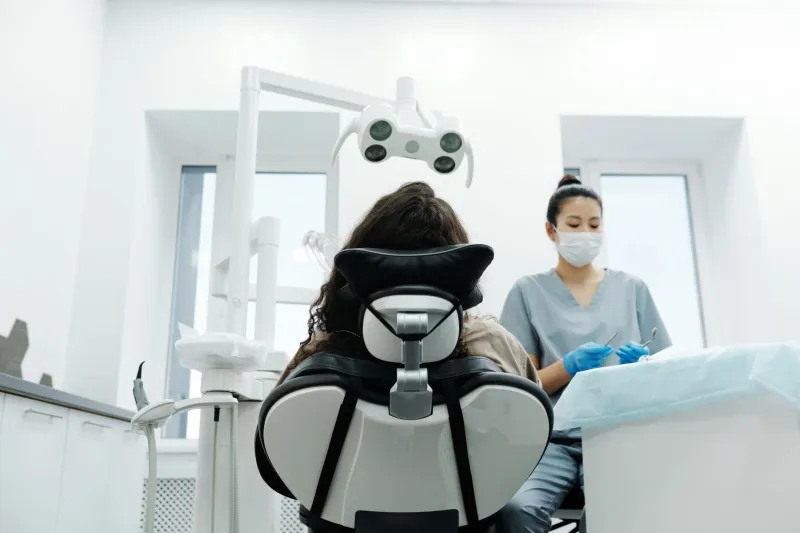
Today, millions of Americans get same-day crowns. Cavities are filled in under an hour with materials that match the exact shade of their teeth. Dental implants replace missing teeth so convincingly that even dentists need X-rays to tell the difference. And the fear — while still real for many people — is increasingly a cultural holdover rather than a rational response to what modern dentistry actually involves.
So what happened?
Where Dentistry Started — And It Wasn't Pretty
Pull back far enough and dental "care" in the United States was largely a matter of extraction. You had a bad tooth. Someone pulled it out. If you were lucky, you got a shot of whiskey beforehand. If you were in a city with access to a trained dentist, you might get ether or chloroform, which came with their own terrifying risks. If you were a rural American in the 19th century, you dealt with a barber, a blacksmith, or whoever in town had the steadiest hands and the strongest grip.
Dental drills existed by the 1860s — hand-cranked at first, then foot-pedal powered. They were slow, they generated heat, and they were used without any real understanding of pain management. Novocaine wasn't synthesized until 1905, and it took decades to become standard practice. Well into the mid-20th century, plenty of American dentists were still operating with minimal local anesthesia, asking patients to simply endure.
The result was a culture of avoidance. People didn't go to the dentist until they had no choice. By the time they showed up, the situation had usually progressed from fixable to complicated. And so the experience was reliably awful, which reinforced the avoidance, which made the next visit worse. A self-sustaining cycle of dread.
The Tools Changed Everything
The transformation didn't happen overnight — it was a series of overlapping improvements that compounded over decades.
High-speed dental drills arrived in the 1950s and cut procedure times dramatically while reducing the heat and pressure that made earlier drilling so unpleasant. Better local anesthetics gave dentists more control over numbing. Fluoride, introduced into public water supplies starting in 1945, began quietly reducing cavity rates across the population — meaning fewer people needed serious intervention in the first place.
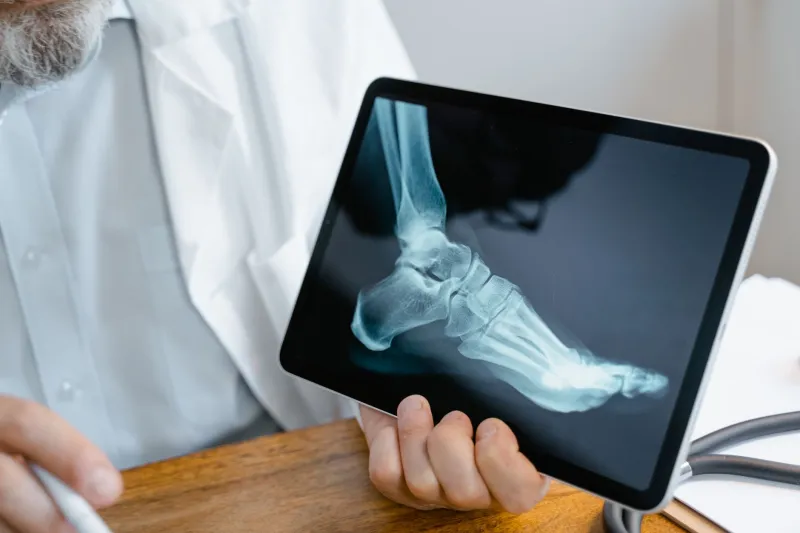
But the biggest leap might have been digital. X-ray technology evolved from film-based images that took time to develop into instant digital radiographs that show up on a chairside screen in seconds. Cone beam CT scanning — available in many dental offices since the 2000s — gives dentists a full three-dimensional view of your teeth, jaw, and bone structure. Problems that once required exploratory work can now be identified before anyone picks up an instrument.
Then there's CAD/CAM technology — computer-aided design and manufacturing — which has made same-day crowns a reality. Older patients remember the two-appointment crown process: the dentist would grind down your tooth, take an impression with that unpleasant putty, send it to an off-site lab, fit you with a temporary crown for two weeks, and bring you back to seat the permanent one. Today, many offices use an in-office milling machine. The dentist scans your tooth digitally, designs the crown on a computer, and a ceramic block is carved to match in about fifteen minutes. You leave with a permanent crown the same day you came in.
Pain Management Grew Up
Modern anesthesia in dentistry isn't just about the drugs — it's about delivery. Computer-controlled injection systems have largely eliminated the sharp, startling sensation of the needle itself, which was historically one of the most anxiety-inducing parts of the visit. Topical numbing gels applied before the injection mean most patients feel almost nothing. Nitrous oxide (laughing gas) has been around for a while, but it's more widely used now as a routine comfort measure rather than a last resort for the truly phobic.
For patients with serious dental anxiety — and there are a lot of them, estimated at roughly 36 percent of the US population — oral sedation and IV sedation options have expanded. Entire practices now specialize in sedation dentistry, allowing patients who would otherwise avoid care entirely to get comprehensive treatment in a single appointment while remaining comfortable throughout.
The philosophy has shifted too. Dentistry moved from a drill-and-fill mentality toward a preventive, minimally invasive model. The goal now is to preserve as much natural tooth structure as possible. Cavities that once would have meant a significant filling are sometimes treated with fluoride varnish or remineralizing agents if caught early enough. The drill is increasingly a last resort rather than a first response.
The Gap Between Perception and Reality
Here's what's interesting: dentistry has genuinely become one of the least painful medical experiences most Americans will have, and yet the cultural dread hasn't fully caught up. Surveys consistently show that fear of the dentist remains one of the most common anxieties in the country. People who haven't been in years often cite fear as the primary reason — fear based on an experience from childhood, or a story their parents told, or a general cultural assumption that it's going to hurt.
In many cases, the thing they're afraid of no longer exists in the form they're imagining.
That gap matters, because avoidance has real consequences. Untreated dental disease is linked to heart disease, diabetes complications, and pregnancy risks. The mouth doesn't exist in isolation from the rest of the body, and the old habit of skipping the dentist until something is visibly wrong still causes serious, preventable harm.
A Quiet Revolution Most People Didn't Notice
Medicine tends to get celebrated when it does something dramatic — a new cancer treatment, a surgical breakthrough, a vaccine that changes history. Dentistry's transformation was quieter. It happened incrementally, in suburban strip-mall offices and small-town practices, through better materials and smarter tools and a gradual rethinking of what patient comfort actually required.
But the results are real. A procedure that once meant days of dreading, an hour of gripping the armrests, and a week of recovery is now, for most people, a routine interruption in an ordinary Tuesday. That's not nothing. That's a century of work paying off in a chair you no longer have to be afraid of.