When Sending a Package Meant Crossing Your Fingers and Saying a Prayer
The Black Hole of Package Delivery
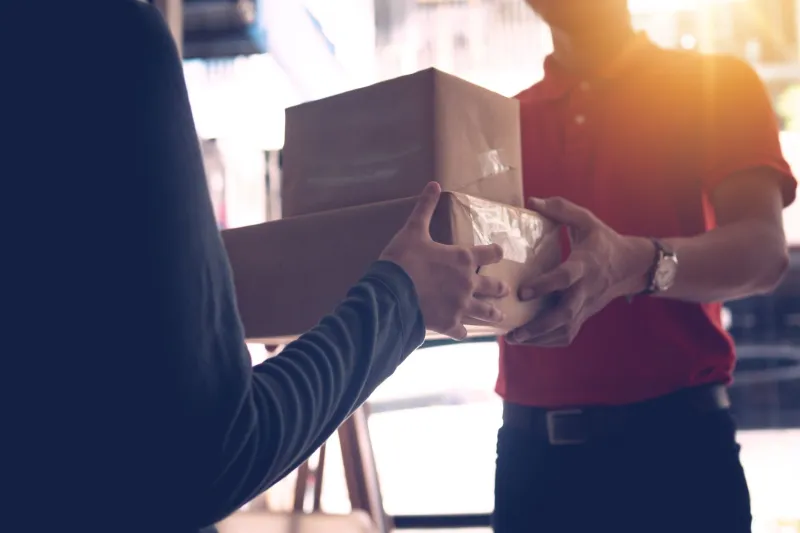
In 1987, sending a package was like launching it into space and hoping aliens would deliver it safely to your intended recipient. You walked into the post office, handed over your carefully wrapped box, paid your fee, and received a receipt with a number that was essentially meaningless. That number couldn't tell you where your package was, when it might arrive, or even if it was still in the same time zone.
The entire shipping experience was built on blind faith. You estimated delivery times based on distance and prayer, adding extra days "just in case" and hoping your recipient would be understanding if their birthday gift arrived three weeks late. There was no customer service hotline to call, no website to check, and no app to obsessively refresh every twenty minutes.
Packages simply vanished into the postal system like messages in bottles thrown into the ocean. Sometimes they emerged days later, sometimes weeks, and sometimes they seemed to take scenic routes that defied both geography and logic. A package sent from New York to Boston might somehow spend a week in Denver, and you'd never know why.
 Photo: New York, via www.pixelstalk.net
The Art of Package Anxiety
Sending anything valuable was an exercise in managed anxiety. You'd wrap it in multiple layers, use extra tape, write the address in permanent marker, and then spend the next two weeks wondering if you should have used even more tape. Insurance was available, but filing a claim required more paperwork than buying a house and about as much hope of success.
The lack of information created its own coping mechanisms. People would call their recipients a week after shipping to ask if anything had arrived yet. "Did you get my package?" became a standard phone conversation opener. Recipients learned to be patient with senders who seemed unreasonably anxious about delivery timelines.
Business relationships operated on completely different expectations. When someone said a package would arrive "next week," everyone understood this was more aspiration than promise. Missing a deadline because a package got lost wasn't considered poor planning — it was just part of doing business in a world where shipping was more art than science.
The Express Revolution
FedEx changed everything when they introduced overnight delivery, but even that came with limitations that seem absurd today. You could pay premium prices for guaranteed overnight delivery, but you still couldn't track your package's journey. It either arrived the next day or it didn't, and if it didn't, you were back to making phone calls and filing complaints with no real recourse.
UPS introduced tracking numbers earlier than most people realize, but "tracking" in the 1980s meant calling a phone number and maybe — if you were lucky — getting a human being who could tell you that your package had been "processed" at various facilities. There were no specifics, no estimated delivery times, and certainly no GPS coordinates.
The information was so limited that tracking was more frustrating than helpful. Knowing your package had left Chicago didn't tell you when it might reach Miami, and "out for delivery" could mean anything from "it'll be there in an hour" to "the driver will attempt delivery sometime before Christmas."
When Waiting Was Normal
Perhaps the biggest difference was in expectations. People planned around shipping delays the way we now plan around traffic jams — they were inevitable, unpredictable, and just part of life. Christmas gifts were mailed in early December not because people were organized, but because nobody wanted to risk having presents arrive in February.
The phrase "allow 4-6 weeks for delivery" wasn't considered unreasonable for standard mail-order purchases. Catalog shopping required the kind of patience that would seem pathological today. You'd mail in your order form, wait for it to be processed, then wait for shipping, all while hoping the item you wanted would still be in stock by the time your order reached the warehouse.
This created a different relationship with delayed gratification. Ordering something was the beginning of a weeks-long process of anticipation. The eventual arrival of a package was genuinely exciting because you'd almost forgotten what you'd ordered by the time it showed up.
The Tracking Revolution
Today's package tracking would seem like magic to someone from 1987. We don't just know where our packages are — we know where they've been, where they're going, and often exactly which truck they're on. We get text messages when packages are picked up, when they reach sorting facilities, when they're loaded onto delivery trucks, and when they're dropped off.
The level of detail is almost absurd. We can watch our packages travel across the country in real-time, getting updates every few hours as they move through a logistics network that operates with clockwork precision. A package shipped from Los Angeles on Monday will arrive in New York on Wednesday, and you'll know exactly where it is every step of the way.
This transparency has created new forms of anxiety. Instead of worrying about whether a package will arrive at all, we now panic when tracking information doesn't update for a few hours. We've traded the anxiety of ignorance for the anxiety of too much information.
The Amazon Effect
Amazon didn't just change how we shop — it fundamentally altered our expectations about shipping and delivery. Same-day delivery went from impossible to routine. Two-day shipping became the standard, and anything longer started to feel unreasonable. We've become accustomed to ordering something on Tuesday and having it arrive Wednesday, with detailed tracking every step of the way.
The company turned package delivery into entertainment. Their tracking system doesn't just tell you where your package is — it shows you a map with your delivery truck moving through your neighborhood in real-time. You can watch your driver approach your house like you're monitoring a space mission.
This level of service has created expectations that extend far beyond Amazon. We now expect every retailer to provide detailed tracking, accurate delivery estimates, and customer service that can answer specific questions about our package's location. The idea of shipping something and then just hoping for the best seems not just outdated, but almost irresponsible.
The New Anxiety of Perfect Information
Ironically, having complete information about our packages has created new sources of stress. We refresh tracking pages obsessively, worry when packages seem to sit in one location for too long, and call customer service if estimated delivery dates change by even a day. The peace of ignorance has been replaced by the burden of constant monitoring.
Modern package tracking has turned us all into amateur logistics experts. We know the difference between "arrived at facility" and "departed facility." We understand what "out for delivery" means at different times of day. We've learned to interpret the subtle differences between "delivered" and "delivered to mailroom."
The Lost Art of Patience
What we've gained in efficiency and information, we've lost in patience and resilience. Our grandparents could wait weeks for a package without anxiety because they had no choice and no information to fuel their worry. We can barely wait two days for free shipping without checking the tracking status multiple times.
The old system taught patience by necessity. The new system has eliminated most reasons for patience while somehow making us more anxious about the delays that remain. We've solved the problem of not knowing where our packages are, but we've created the new problem of knowing too much about everything that could go wrong along the way.
Sending a package used to be an act of faith. Now it's an exercise in data analysis, customer service interactions, and real-time logistics monitoring. We've gained control and lost mystery, and most days, that seems like a fair trade — until the tracking information stops updating and we remember what it felt like to simply hope for the best.