The Lost Art of Doing Absolutely Nothing — And Why Your Brain Is Begging You to Try It Again

Somewhere around 1994, before the smartphone existed and before the internet was a household fixture, millions of American kids spent significant portions of their summers being profoundly, magnificently bored. They lay on living room floors staring at ceiling fans. They sat on front porches watching nothing happen. They picked up sticks and put them down again. And in that vast, unstructured emptiness, something interesting happened: they thought things up.
Boredom had a function once. We just forgot what it was.
The Long Afternoon That No Longer Exists
For most of human history, idle time wasn't a luxury — it was an unavoidable feature of daily life. Before electricity, you couldn't work after dark. Before highways, travel meant hours of staring out a window at passing fields. Before 24-hour entertainment, a Sunday afternoon was just... a Sunday afternoon. There was nothing to do, so your mind wandered, and in that wandering, it did some of its most interesting work.
Psychologists who study creativity have long noted that many significant ideas — personal and professional alike — arrive not during focused effort but during moments of mental drift. The shower epiphany is real. The answer that comes to you while mowing the lawn is real. These aren't accidents. They're the product of what neuroscientists call the default mode network, a set of brain regions that activate specifically when you're not concentrating on a task.
Your brain, when left alone, doesn't go idle. It processes. It connects. It rehearses conversations, imagines futures, works through problems that your conscious mind couldn't crack while staring directly at them. Boredom, in other words, was never really boredom. It was background computing.
The Moment Someone Decided to Monetize Your Downtime
The shift happened gradually, then suddenly. Television filled the evenings. Video games filled the weekends. But even then, there were gaps — commercials, loading screens, car rides, waiting rooms — where your mind had a few seconds to wander.
The smartphone closed those gaps almost entirely.
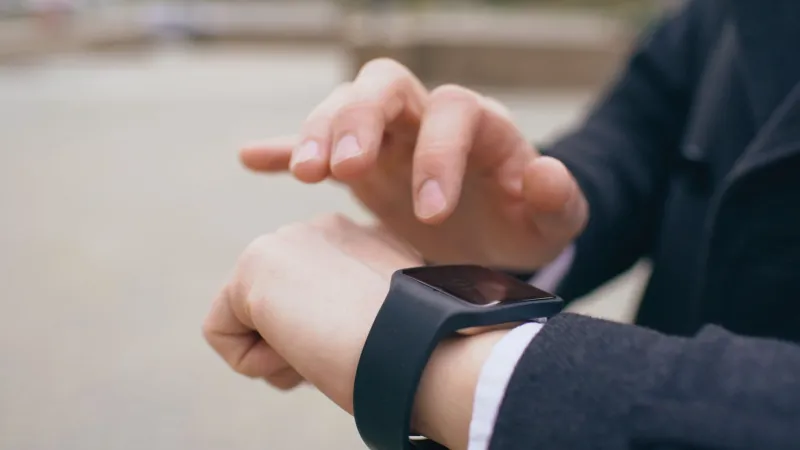
By the early 2010s, the average American had a device in their pocket specifically engineered to capture attention during any moment of potential stillness. Waiting for coffee? Open Twitter. Stopped at a red light? Check Instagram. Can't sleep? Scroll TikTok until your eyes give up. The attention economy — the business model built on harvesting human focus and selling it to advertisers — had identified every remaining pocket of idle time as an untapped resource.
And it worked. Americans now spend an average of over four hours a day on their phones. The number climbs every year. The gaps where boredom used to live have been colonized so thoroughly that many people can no longer tolerate even thirty seconds of unstimulated waiting without reaching for a screen.
What the Research Is Starting to Tell Us
The health implications of this shift are only beginning to be understood, but the early picture isn't reassuring.
Studies published in journals including Psychological Science have found that people who allow themselves to experience boredom before a creative task perform significantly better than those who engage in stimulating activities beforehand. The bored brain, it turns out, arrives at creative challenges warmed up in ways the entertained brain does not.
Researchers studying adolescent mental health have raised concerns about the correlation between constant digital stimulation and rising rates of anxiety and depression, particularly among young people who have grown up never knowing what it feels like to be truly unstimulated. The hypothesis isn't that phones cause unhappiness directly — it's more nuanced than that. It's that the absence of mental downtime may be preventing the kind of internal processing that helps people understand themselves, regulate their emotions, and develop a stable sense of identity.
There's also the sleep angle. The default mode network needs rest to consolidate the day's experiences into long-term memory. When stimulation extends right up to the moment of sleep — and often into it — that consolidation process is disrupted. You wake up tired not just physically but cognitively. Your brain didn't get to finish its paperwork.
The Productivity Hack That Made It Worse
Here's the irony: the people most concerned about optimizing their performance are often the least likely to embrace the one practice that might actually help. The wellness industry has responded to our overstimulated brains not by recommending genuine emptiness but by selling structured emptiness — guided meditation apps, focus timers, productivity frameworks, curated ambient soundscapes.
All of which are fine. But they're also still products. Still things to consume. Still ways of filling the space with something, even if that something is marketed as nothing.
Real boredom — the uncomfortable, unproductive, slightly itchy feeling of having absolutely nothing to engage with — doesn't come with a subscription fee. It just comes with the willingness to sit with it.
Getting Comfortable With the Uncomfortable
Previous generations didn't choose boredom. It chose them. They didn't sit on the porch because they'd read a study about the default mode network. They sat on the porch because there was nowhere else to be and nothing else to do, and somehow that turned out to be enough.
The challenge for anyone living in 2024 is that reclaiming that kind of stillness now requires an active decision — almost a countercultural one. Leaving your phone in the other room. Sitting in the waiting room without opening anything. Taking a walk without earbuds. Letting the car ride be quiet.
It will feel wrong at first. That's the point.
Boredom was never the enemy. It was the space where your best thinking lived. We didn't optimize it away because it wasn't working. We optimized it away because someone figured out how to make money from the alternative — and we were too distracted to notice the difference.