When Summer Jobs Paid for College and Debt Was What Happened to Other People
The Math That Doesn't Add Up Anymore
In 1979, John worked construction during his summer break from the University of California. Three months of honest labor—40 hours a week at $3.50 an hour—earned him enough to cover his entire year's tuition, with money left over for textbooks and pizza. He graduated debt-free, bought a house at 25, and started his career without owing anyone a penny.
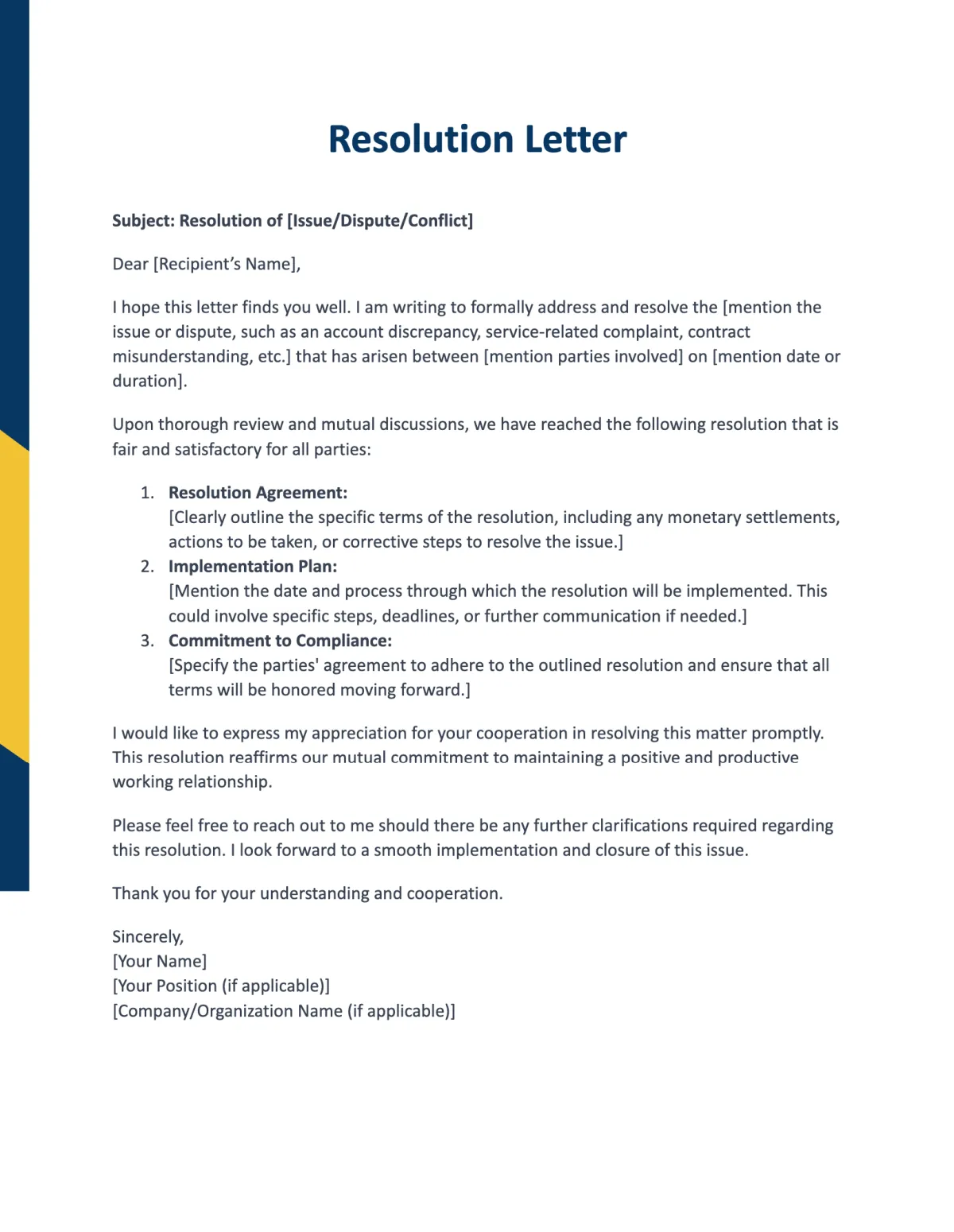 Photo: University of California, via docsi.me
His daughter Sarah graduated from the same UC system in 2019. Her summer internship paid $15 an hour—more than four times what her father made. But her tuition cost $14,000 a year, compared to her father's $1,200. Working the same summer schedule, Sarah could barely cover two months of tuition. She graduated with $47,000 in student loans.
Somewhere between John's graduation and Sarah's, the fundamental economics of higher education broke completely.
When College Was Actually Affordable
In the 1960s and 70s, state universities operated on a radically different model. They were genuinely public institutions, funded primarily by taxpayers who believed that educating their citizens was a collective responsibility. Tuition was kept artificially low—often just a few hundred dollars per year—because the real costs were covered by state appropriations.
A student at the University of Michigan paid $450 in tuition in 1975. Adjusted for inflation, that's about $2,300 in today's money. The actual 2023 tuition? Over $17,000 for in-state students. The increase far outpaced inflation, wages, and virtually every other cost in American life.
Private colleges were expensive even then, but they represented a luxury choice for wealthy families. The vast majority of American students attended affordable state schools where a middle-class family could realistically afford to send their children without financial hardship.
The Summer Job Solution
For decades, the standard advice for college-bound students was simple: get a summer job. Working at a restaurant, retail store, or construction site for three months could generate enough income to cover tuition, room, and board for the entire academic year.
This wasn't just theoretical. Millions of students actually did it. They worked as camp counselors, lifeguards, retail clerks, and manual laborers. They saved every penny from Memorial Day to Labor Day, then headed off to college with enough money in their checking accounts to pay for their education.
The psychological impact was profound. Students felt ownership over their education because they'd literally worked to pay for it. They graduated without debt, which meant they could take risks in their careers, start businesses, or pursue lower-paying but meaningful work without the burden of monthly loan payments.
The Policy Changes That Changed Everything
The transformation didn't happen overnight. It was the result of deliberate policy choices made over several decades that shifted the cost of higher education from society to individual students.
State funding for higher education began declining in the 1980s as taxpayers became less willing to fund public universities. Politicians found it easier to cut education budgets than raise taxes, pushing universities to make up the difference through tuition increases.
The federal student loan program, originally designed to help a small number of students afford college, expanded dramatically. As loans became more available, universities discovered they could raise tuition faster than inflation because students could simply borrow more money to cover the costs.
This created a vicious cycle: easy credit led to higher tuition, which required more borrowing, which enabled even higher tuition. Universities began competing on amenities rather than affordability, building luxury dormitories, elaborate student centers, and expanding administrative staff to levels that would have been unimaginable in the 1970s.
The Birth of the Student Debt Crisis
By the 1990s, student loans had transformed from an emergency option to a standard part of the college experience. Families began accepting debt as a normal part of education financing, just as they'd accepted mortgages as a normal part of homeownership.
But there was a crucial difference: houses appreciate in value and mortgages can be discharged in bankruptcy. Student loans follow borrowers to the grave, and degrees don't always lead to the high-paying jobs needed to justify the investment.
The cultural shift was as significant as the financial one. College went from being something you saved up for to something you borrowed against your future to afford. Students began their adult lives not with a clean slate, but with a financial obligation that would shape their choices for decades.
The New College Economics
Today's students face a completely different calculation than their parents did. Even working full-time at $15 an hour—well above minimum wage—a student would need to work year-round just to cover tuition at most state universities. Room, board, textbooks, and living expenses require additional borrowing.
The result is that the average college graduate now carries over $30,000 in student loan debt. Professional school graduates often owe six figures. Monthly payments of $300-500 are common, extending for 10-20 years after graduation.
This debt burden affects every major life decision. Young adults delay buying homes, starting families, and launching businesses because they're servicing educational debt. The economic mobility that college was supposed to provide has been partially offset by the debt required to obtain it.
The Ripple Effects
The shift from affordable to debt-financed higher education has reshaped American society in ways that extend far beyond individual bank accounts. Entire professions that once attracted college graduates—teaching, social work, journalism—now struggle to recruit talent because the salaries don't justify the debt required to qualify.
Entrepreneurship has declined among young adults, partly because student loan payments make the financial risks of starting a business prohibitive. The "follow your passion" advice that previous generations could afford to take has been replaced by "choose a major that pays enough to service your loans."
The psychological impact is equally significant. Previous generations viewed college as an investment in their future; current students often view it as a necessary evil that saddles them with debt they're not sure they can repay.
What We Lost Along the Way
The transformation of higher education from a public good to a private commodity represents one of the most dramatic policy shifts in modern American history. We moved from a system where society invested in educating its citizens to one where individuals mortgage their futures for the privilege of learning.
The old system wasn't perfect—it excluded many students who deserved access to higher education. But it demonstrated that affordable college was not only possible but practical. Other developed countries still operate on similar models, proving that the American approach is a choice, not an inevitability.
The Generation That Got Away
Students who graduated between 1960 and 1980 experienced something that now seems almost mythical: debt-free higher education financed by summer jobs and part-time work. They entered the job market with clean financial slates and the freedom to make career choices based on interest and opportunity rather than debt service requirements.
That generation built much of modern America—they became the entrepreneurs, teachers, artists, and public servants who shaped the country for decades. They had the luxury of taking risks because they weren't carrying the financial burden that constrains their children and grandchildren.
The next time someone suggests that today's students should just work their way through college like previous generations did, remind them: the math doesn't work anymore. We've fundamentally changed the economics of higher education, and pretending otherwise ignores one of the most dramatic shifts in American economic life in the past 50 years.